I was reminded of a pivitol conversation
It was during a badminton camp, in the late evening, fuelled by tiredness, heat and a beer
During a recent call with a friend, they reminded me of a conversation we had many years ago. We were having a quiet conversation after a day’s coaching. The heat and tiredness certainly added something to our chat.
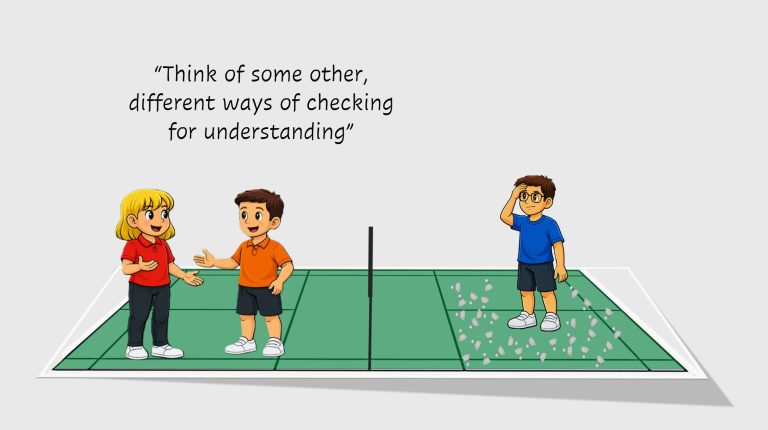
It concerned how coaches generally check for understanding and learning, especially in practice. How they went about it, was it actually effective and what did it really achieve?
The mini-friendly debate concerned why we asked players questions. Specifically, did the questions actually identify if learning and change had taken place?
Also, was questioning the performer the best way or did we prefer asking the questions.
We asked our players questions such as
“what just happened and is that what you wanted?”
“do you understand?”
“tell me what is important to remember”
Do these questions really establish if learning and understanding are developed and present?
Or are they just a coaching habit, unfortunately, one had been ingrained in early coach education courses.
I’ve stopped asking 2 of these 3 questions above and use the other with care and as part of a deliberate strategy.
Talk with a friend and discuss how do you establish that your players understand?
What methods do you use?
What type of ‘understanding’ do you check for?
We continued our conversation late into the evening
Maybe using questions was not as effective as we thought – what do you think ?
Are coach education systems promoting questions as the go-to method to check for understanding?
Is this an effective method or is it cause players to focus and pay attention to aspects that may not help their performance
Their reply
“I would say it’s impossible sometimes if you try the textbook questioning method, you need to ‘keep it real’ and have genuine conversations with players.
Often these happen at tournaments, when travelling, after training etc. During a training session, true reflection is challenging depending on the type of session.
However, it’s often my observations, rather than questions, that I use to provide me with the best information to check for learning. I would rather watch than ask.”
The longer post
I’ve written more in this accompanying post, click here or the image to go straight to it.
It will give you plenty more to consider and I’ve tried to answer some of the questions posed below.






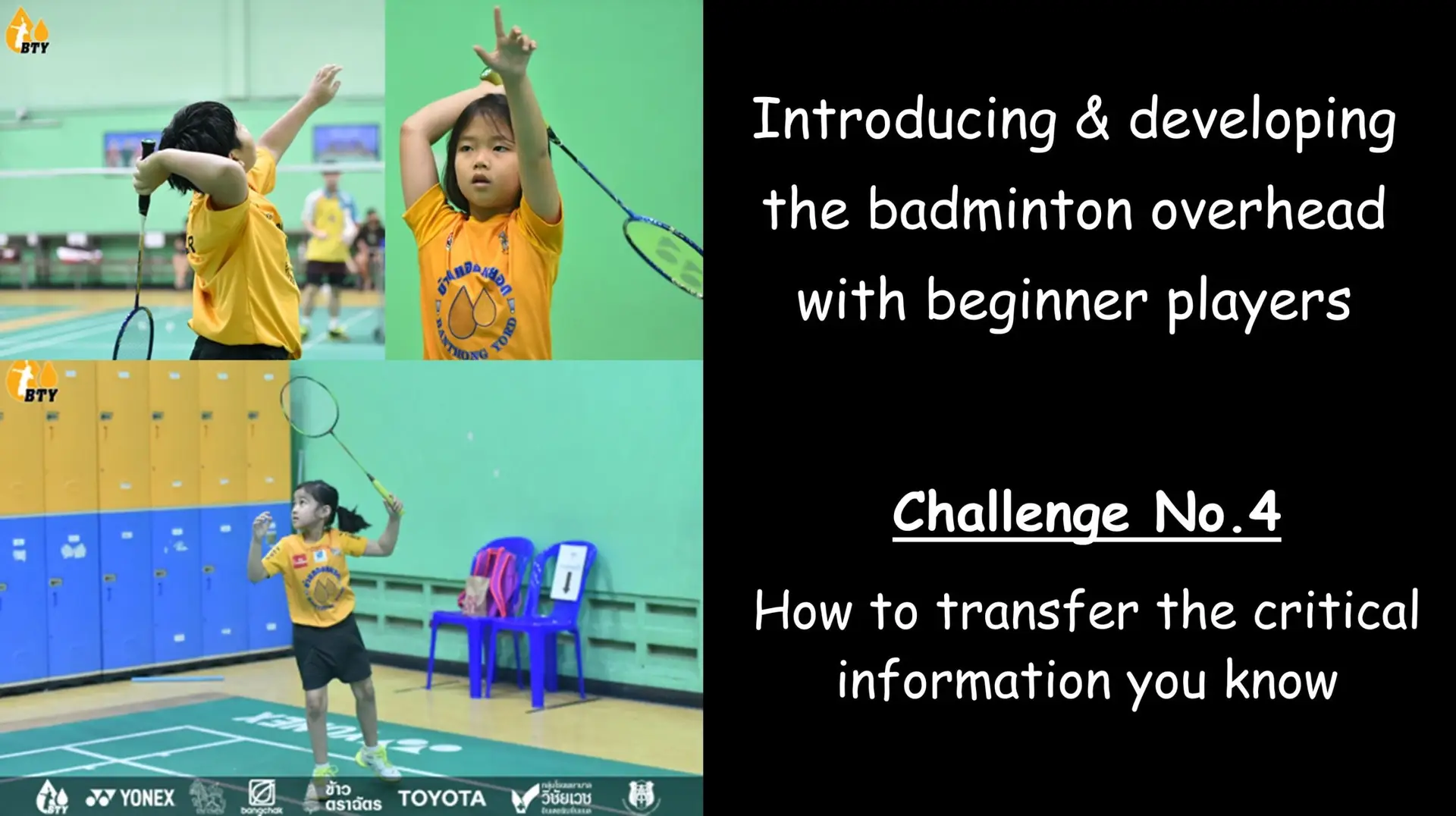
![Introducing the badminton overhead – Challenge No.3 - Duplicate - [#36874]](https://badmintonandy.com/wp-content/uploads/2023/05/Badminton-Forehand-Overhead-3-scaled-1.jpg)
![Introducing the badminton overhead – Challenge No.2 - Duplicate - [#36821]](https://badmintonandy.com/wp-content/uploads/2023/05/Badminton-Forehand-Overhead-2-scaled-1.jpg)
