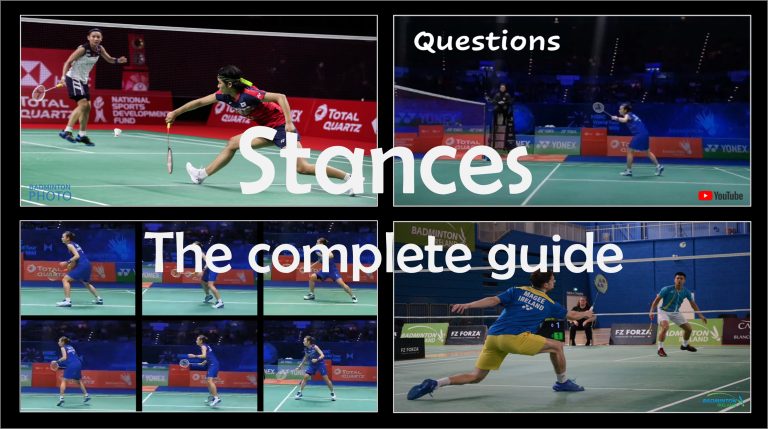
Practical ways to include and develop stances with badminton movements.
Dig deeper into what they look like and when to use them. Consider that they are based on tactical choices made before the opponent strikes the shuttle
Practical advice on developing stances in your practices.
What are the components of great court movements?
Mastering these will save you energy, prepare you to move earlier, and get to the shuttle faster so that you can make better decisions.
Read about what to include in practice and explore some movement myths.
Clear up the mystery behind the split‑step — when to do it, how it works, and why anticipation matters
It explains how to time the movement and combine it with ready preparation stances.
If you’ve ever been unsure about the split‑step, this article may provide some answers or challenge your thinking.
Do you think shadow practice develops good movement patterns?
Consider the benefits and issues of using shadow footwork training with beginner players. It builds confidence, teaches simple movement patterns, and removes the pressure of hitting shuttles.
But does this lead to improved movement on court, in rallies, in matches. You decide.
What are the benefits and there any hidden dangers of shadow footwork training?
This post examines both so you can decide whether to use it or not.
It describes all the different forms, shows how to practise footwork with purpose, build better habits and to be aware of the possible harmful aspects.
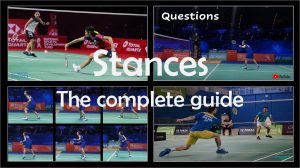
Stances are the hidden foundation for many movement skills.
It explains how stances help anticipation, decision-making, speed and confidence.
If you want players who move better, react earlier and feel more in control, this article gives clear, practical reasons to prioritise stance training.
This guide breaks down everything you need to know about spinning net shots — technique, deception, grip, contact, practice ideas and common mistakes.
With links to 5 other posts, it details how to work with beginners and experts. All packed with practical ideas and suggestions.
Explore the key ideas behind effective badminton movement — how players prepare, choose how to move and link decisions to footwork.
It asks 8 key questions that are all designed to get players and coaches thinking about different aspects of moving and movement skills.
How to move efficiently into the backhand defence, using early preparation and simple footwork patterns.
If you want players to prepare and move earlier and more confidently, this guide offers clear, practical solutions.