Coaching and playing require different skills
Coaching is just not repeating what you did as a player
Good playing skills and experiences offer advantages to the coach
Although past knowledge as a player can cause problems if you are not prepared
Have you read Part 1
Which of the points was the most impactful for you?
I’ve had a few people give feedback to me and say that many of them are now obvious to them but weren’t in their first 6 months of being a coach.
If you’d like to contact me and explain how you dealt with any of the challenges, I’d love to hear from you. Send me an email at contact@badmintonandy.com and we can start chatting.
My goal is to help you avoid the ‘traps’ and ‘pitfalls’
How you act is in your control
“When I was a player”
Providing examples and stories based on what you did as a player is important, but be aware of how often you use this method.
You must use your previous experience, you lived through it, hopefully, you learned from it. You know that your experiences helped you. I believe that you should refer to your own history.
I’m sure that during your development as a player you gained positive information, worked through problems/issues, became wiser. Therefore you must use this information.
How your words may be received
The tolerance of people to listen to your references, or stories (as they may see them) is variable. Be aware that it’s how people receive the message, not just what you impart that is important.
People tend to start making a judgment early in your stories, especially if they believe that they have heard them before. Be aware of this!
Some will love to hear your thoughts, others may start to become bored or even stop listening. You will not know how your message is received unless you consider the listener (the receiver).
Do you consider how your messages could be received by others?
Learn to reframe the content of your message
Be careful how you “package” your experiences/stories so that others do benefit.
How many different ways do you know, as it’s not always easy to avoid saying “when I …..” or “back in my day …..”
Have you tried
- Recognising what you would have done (when you were a player), and set up a practice to achieve that without referring to your past
- Giving others options (that include what you would have done as a player) but allowing them to decide
- Starting a statement with “Someone explained to me that if you ……… “, talk as if it actually has happened because it really did
- Waiting for someone to ask you (your opinion from your playing days), be patient and wait, they will ask!
Do not assume that everybody will value your message in the same way,
it may take time for others to value your references to your playing days
Dealing with Challenges
Challenges will come in many different ways and from a range of sources.
They are not always from others; you may find that the greatest challenges come from inside you.
As you read each of these points, ask yourself how you would react
Frustration with the motivation of others
You may find it difficult to accept that some players don’t seem to want to improve as much as you did. They don’t have the dedication you believe that developing players need. How should you react to this feeling?
Burning yourself out
You will be putting in either long hours or unsociable hours. Working early mornings and late evenings. The mental fatigue (possibly disillusionment or boredom) is real. What strategies will you develop to deal with this?
Practice Performance vs Game Performance
You focus on and seek improvement in practice, hoping for almost perfect practice sessions. However, in matches, it appears as if they have learned very little. Be careful, you could be contributing to this! Are you seeking Perfect Practice as a measure of success?
Having to take qualifications
You start your journey in Coach Education from the lowest level and find that your playing ability may not help you; in fact, it may hinder you during the course. You hear things you disagree with, have not thought about or struggle to understand.
Your first coaching job
You are expected to coach different levels of players in a week, maybe even a day. You have to set programmes, hold meetings, and write reports. Oh, and you are expected to lead a group of assistant coaches, some of whom may challenge your views.
Other coaches questions
You wonder why other coaches are asking you for your opinion, you advise, but they question why and what you do on the court. You struggle to cope with being questioned or believe that they are trying to trap you. Their questions seem endless!
Being an assistant coach
Senior coaches question the theories behind the practices you set. Are you prepared for these questions, meetings and constant challenges
Coaching isn’t as easy as you thought
The amount of physical work and mental preparation surprises you. It’s not the job you thought. You decide to turn up, do your work and try not to engage with other coaches, administrators, or difficult players/parents. However, all these people are your clients in one way or another.
These challenges are real and often take time to resolve
Taking silence as agreement
When you were a player and a coach gave you advice and direction, how often did you ask questions to find out more?
Not that often I’d suggest. But did that mean you agreed with all they said?
Do you think that will be any different when you advise others?
Why would everyone accept everything you say without question?
Be aware that your previous playing reputation may give you so much kudos that even if the task seems too difficult or strange, people will often follow you.
Whatever practices you set, players copy without comment, no matter how strange they are! None ask ‘why’ because the “coach” was a good player; they just assume that all you say must be correct.
Is the only voice you hear your own?
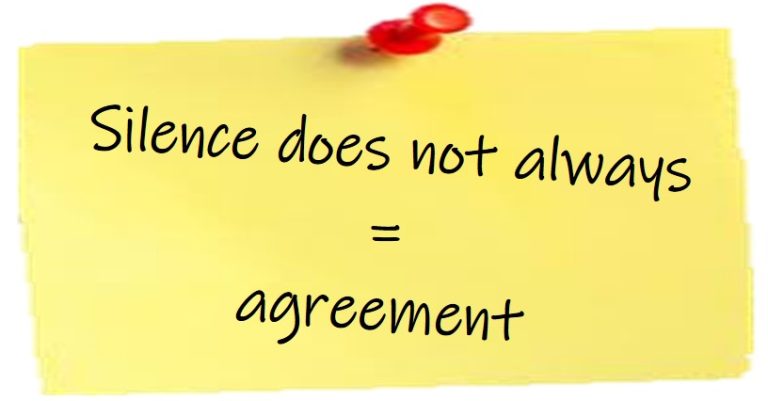
Have you given any thought to self-checking the things you say?
Who will you speak to, what will you ask, how will you react?
Working with players
- Become good at asking questions, listening to the replies, then asking follow-up questions.
- Create mini discussions with your players based on what they think they need.
- Ask, maybe demand, feedback from your players. Start this when they 9 or 10 yrs old 🙂 Ask them to write down 3 things they really like about your sessions.
- Think about changing how you give some of your instructions, not all of them, just some of them.
- Create a team environment with you and your players and a dialogue (environment) that is free to disagree or request more information.
Other Coaches
- Actively seek out other coaches to talk with, to work with, to share your thoughts. Ask them direct questions on all sorts of topics.
- Be prepared to talk about aspects you believe you know about, and crucially talk about ideas you have on topics you aren’t sure about.
- Consider that people are generally polite and think it may be wrong or rude to disagree with you. If they say very little, ask them directly: “what are your thoughts on that?”
- Be prepared to accept that someone else can always give you another viewpoint for you to consider. Their silence may hide a different thought. Leave space (silence) in the conversation for them to engage.
Create a supportive and challenging network
I recommend that you open yourself up to the critical challenge. What do you think about that?
How often do you contact others and ask what they think, or could they help you understand an alternative viewpoint.
it’s tough to develop alone
I’ve found that there is much to be gained from meeting with other coaches and talking openly about topics. It’s a great opportunity to hear something new, find a different viewpoint, or be informed that someone else has faced the same challenges.
You may not like the idea of having a coach to coach discussions and see little value in it.
You may decide that talking about coaching with other coaches (coach to coach) makes you feel uncomfortable.
Consider if this ‘difficulty’ is something from inside you and just your reaction to their words.
It’s super tough to be successful without working with others and engaging in debate/exploration, especially during your player-to-coach transition.
The benefits of collaboration may surprise you.
It’s not only the new information and the different outlook, but you may just feel better talking with someone else.
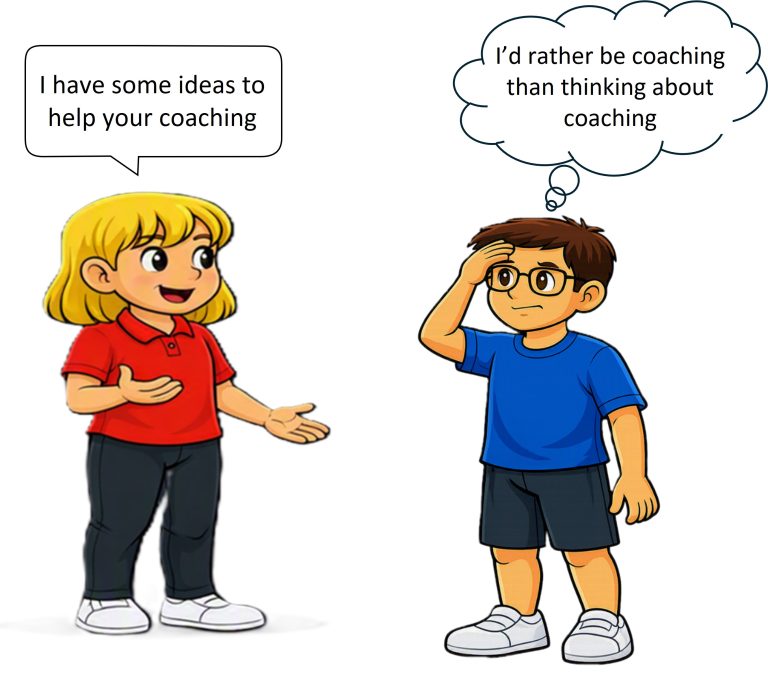
You do not always have to agree and that’s ok, in fact,
it can be more productive if you both offer alternative thoughts
The challenges of coach education
Do you believe that coach education courses will make you a better coach?
Certainly, it’s fair to say that your playing skills could be far above the standard required for the coach education course.
You are unlikely to improve any of your playing techniques or tactics by attending the course if you are already a good player.
However, that isn’t the purpose of attending!
Courses can give you an uncomfortable feeling if you have been a good player …
why do you think that is?
Education: be aware
When you attend your 1st and 2nd coach education courses, you may feel that the information being presented is obvious and not relevant to the game you just left.
Worse still, you start to compare your playing skills to the others on the course.
Be aware that all these thoughts will not help you during the course, in fact, they may even harm your chances of passing.
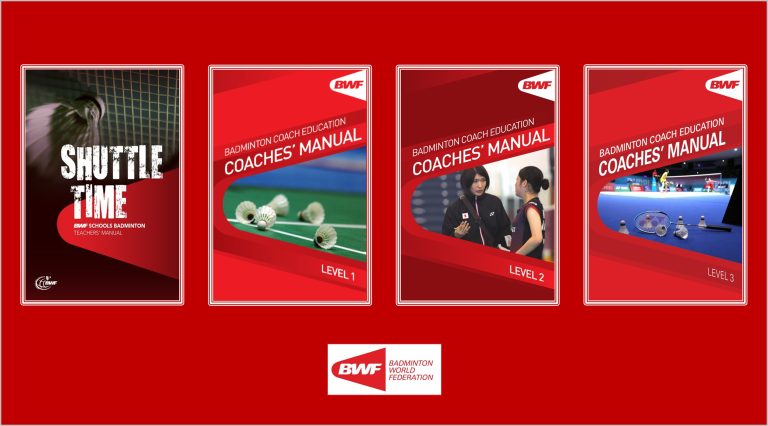
There are sometimes courses run specifically for ex-players.
I’ve seen these advertised by Badminton Europe, and often the entry requirement is that you must above been WR 150 or above.
Unless you are extremely lucky or well informed, you will probably miss the course. You may also decide that the cost is prohibitive. It’s certainly going to be more than £500 when your travel is included.
Why not click on this image to read about 21 Things you may not know how about the BWF coaching awards
Do these things
- Accept that a future employer will insist that you have qualifications, probably a BWFL:3
- If you are serious about passing then listen to the material and be prepared to work. Complete all the assignments on time and to standard.
- Reflect and reflect again. Suspend any arguments until you have finished a course.
- Find a mentor who can help you prepare for a coach education course. They will talk through those struggles unique to ex-players who attend.
- Take ‘foundational’ qualifications in other areas that will help: S&C, PT, massage, and nutrition are all good starters. Then continue educating yourself during the next 5 yrs in one or more.
- Be aware that when you played you probably didn’t fully understand the background, the logic to the coaching and training. Even if you were lucky enough to contribute how much can you remember. Seek out your old coaches/trainers and have a coach to coach talk with them, you may find it very educational.
Are you prepared to engage and find something of value?
It’s easy to dismiss the information being presented
Part 3
.. CPD, how you can use it to progress
.. how people asking for your advice can be a problem
.. not valuing discussion with other coaches and avoiding it!
.. the struggle to know your coaching self
Send me a question
I’m always grateful if you have read this far.
If there is anything that you have read that has helped or that you disagree with, then please send me an email.
I promise to read all your comments
It would be great to hear from you contact@badmintonandy.com


![Keep your racket up - Duplicate - [#38056]](https://badmintonandy.com/wp-content/uploads/2026/09/keep-your-racket-up-scaled.webp)