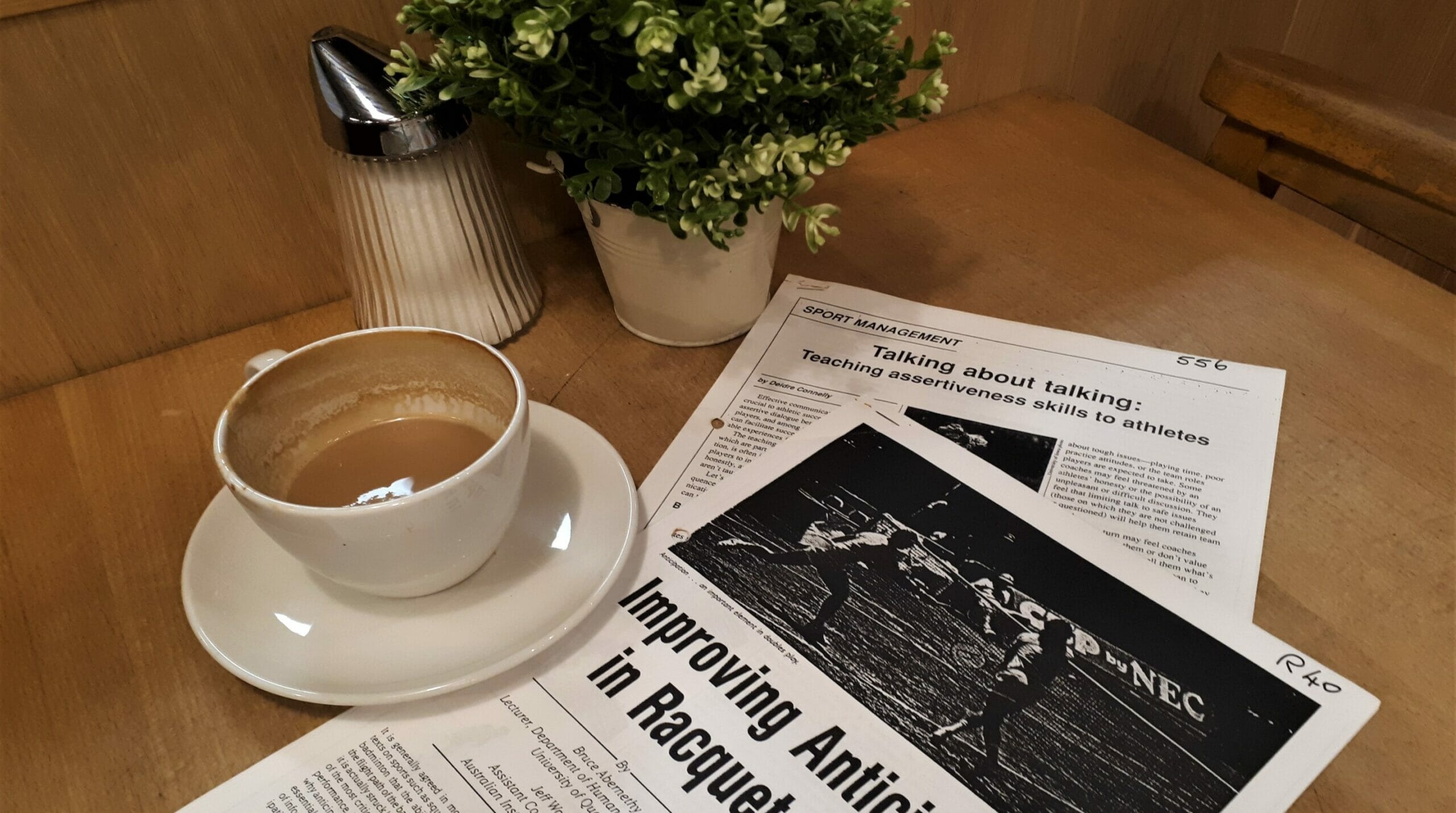

Motivation is the most important factor in learning
Develope players who love the competition of practice
It’s not always about sets and reps!
This advice is based on work done by Roger Mills a professional badminton coach and my friend
This is the final post. I hope you enjoyed the previous posts.
If you haven’t seen them yet, then please click here to read Part 1 and Part 2. I aim to encourage discussion concerning the elements of a great badminton practice.
Talking with a close coaching friend about your practice design. Do you both value similar concepts for practice?
If you are a parent, then take a close look at the practices in front of you and see how many you can spot that use any of the 8 Practice principles.
The guidelines
- Set the practice at the players specific level
- Practice must be game-like:- reflect game conditions as closely as possible
- Practice with decision-making when a player’s specific technical skills allow
- Always be prepared to recap a previous practice to reconfirm a previously learnt skill
- Practice should be made harder not just by increasing the speed or the duration but by increasing the number of decisions
- To motivate a player in practice, set the level of the practice just above the level of the player
- A man with no target has nothing to aim at (Confucius)
- Keep practice situations short and frequent. More quality less quantity
To motivate a player in practice set the level of the practice just above the level of the player
Motivation has been described as the most important factor in learning and development
Players perform best when they are optimally aroused or motivated.
Optimum motivation comes when the target is difficult enough to be challenging, but not so difficult that it’s perceived as having no chance of success.
The term ‘desirable difficulty’ is one that is often used in Sports Science.
If the target is too high, players may become apprehensive and depressed through failure. Concentration may decrease, or boredom may set in.
These responses will not produce an effective learning environment. Be aware that if the player is looking disinterested, it’s not all their fault!
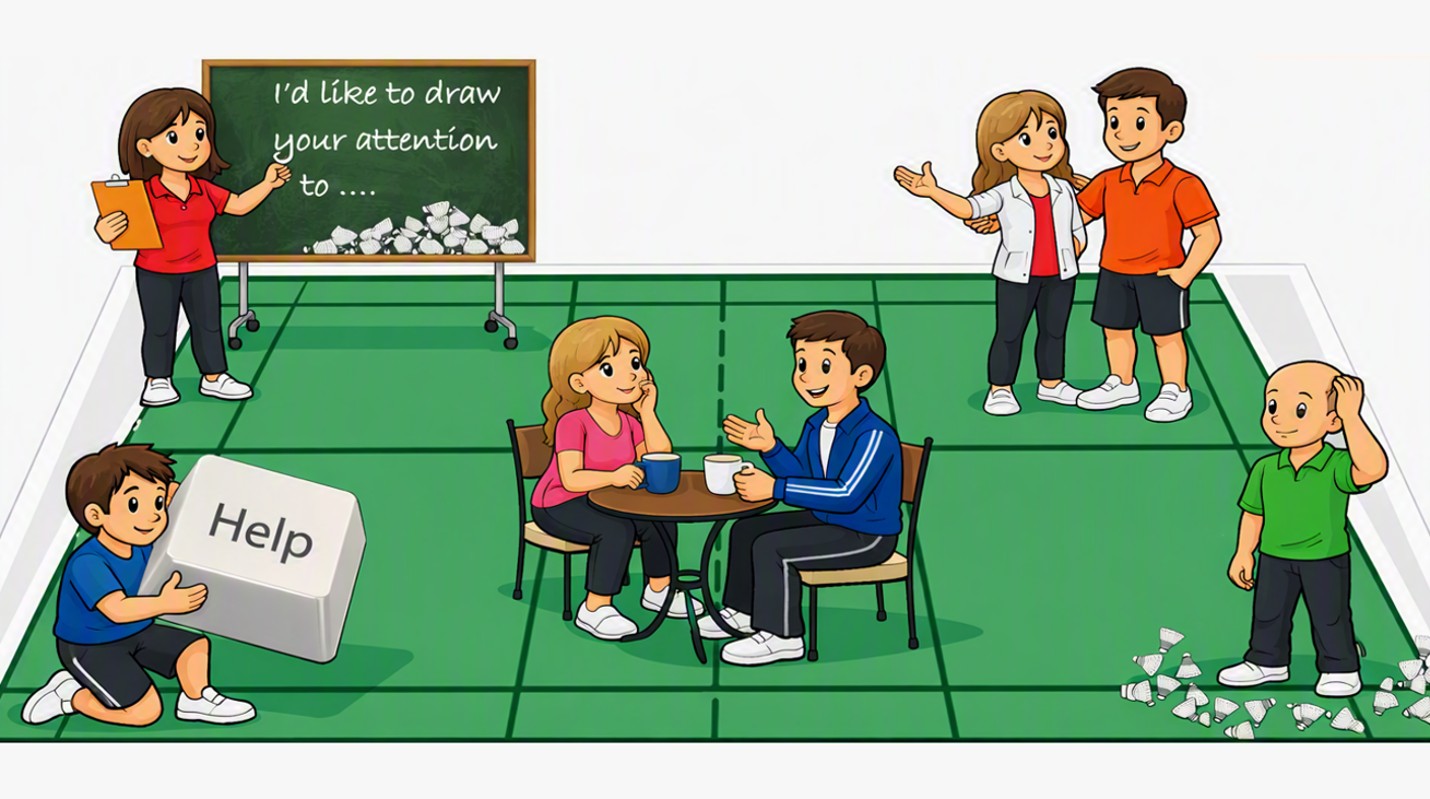
It may help if targets are set together: coach and player.
Discuss how practice targets can be varied with different challenges. Not everything needs to be physically exhausting or consist of over 100 shuttles. Both players and coaches should become great at asking questions through mini-discussions.
What happens in practice
Try to create a culture that allows both players and coaches to look at practice and challenge, tweak and modify it.
That means asking players if they want to make the practice harder or tougher or more applicable to their needs.
Sounds complicated?
Yes, it could be. You will have to work! It will depend on many factors.
Once the practice is at a level slightly higher than the current level, all sorts of things start to happen.
Your viewpoint on this is critical. Error rates may increase. Skills may break down. People may suffer physically and mentally. Some people will be happy, others not.
However, operating in this zone is important. As people say, “this is where the magic happens”. Well, it’s not really magic, it’s just one of the processes required to develop. Encourage an attitude of acceptance and a desire to work, and then review.
Merely asking players to ‘focus’ on a task is not effective
“Man with no target has nothing to aim at” (Confucius)
Always aim to practice with a target in mind
Coaches must recognise the need for various types of targets.
There are the on-court targets, i.e. specific areas or a number of repetitions. The overall theme of a session or practice could be a target in itself, especially in the development of skills or tactics.
Try to incorporate mini discussions with players and ask them what they would like to target. Have you thought about emailing players prior to the session? It gives them and you an opportunity to suggest and then fix the targets for the next practice.
Often the information given in emails can be different to that during a quick chat at the start. It will reduce the amount of ‘coach-led’ discussion. That has to be a good thing!
Encouraging and providing players with opportunities to set targets is an important goal.
I’ve found enjoyment for myself when players are able to verbalise what they would like to achieve.
These targets can be specific and immediate i.e. during that session and the next, or something more long-term over a few weeks or months.
Consider how many and what type of targets you include in practice
Keep practice situations short and frequent. More quality, less quantity
Learning new skills is often mentally tiring
Coaches should programme regular rest periods into a session or practice. This will then increase the opportunity for a variety of practices on the same theme.
The more varied the stimulation the better the experience and hopefully the more effective the learning.
Be aware of the concept of ‘saturation’
Have you ever noticed that when you are practising with a player and they seem to be improving then suddenly over 2 or 3 rallies the level can rapidly deteriorate?
There can be a sudden change where the error rate increases or the players’ attention to what is required deteriorates. This is not a time to demand that they focus!
If the skill was increasing and was beyond that previously practised then stay cool. It is not time to start demanding more!

I know from personal experience that this can be a hard thing to. You want to carry on and ‘work at it’.
However, I’ve learnt from bitter experience that often the result is even more deterioration and errors!
Even if both player and coach are motivated, it is often not possible to bring the practice standard back to the session high point without a change or break.
- Develop a sense of when things are going well and be aware of the ‘saturation’ point.
- Saturation is more to do with the players thinking (cognitive) than it is physical capacity
- Badminton practice can be hard, yes, but not at the expense of saturation. You may lose any gains or maximise what you have achieved.
- Breaks and subtle changes can revitalise players and coaches, so use them.
Oh, yes, Coaches can also suffer from Saturation 🙂
That is the end of this topic
If you have read all 3 parts, I appreciate your commitment and thank you for finding the time.
Do you have 2 or 3 favourites out of the 8, I would really like to know which you could instantly relate to.
Please go onto the court and use the principles. Experiment and see what happens; hopefully, you will start to see different things emerge from the practice and the players.
It really does depend on what you select and how you assess the players’ needs in front of you.
Send me a question
I’m always grateful if you have read this far.
If there is anything that you have read that has helped or that you disagree with, then please send me an email.
I promise to read all your comments
It would be great to hear from you contact@badmintonandy.com

![6 Ways to develop effective Badminton grips base info for edit - Duplicate - [#28008]](https://badmintonandy.com/wp-content/uploads/2019/12/Badminton-grips-landscape-1.jpg)