8 Principles Behind Effective Badminton Practice- Andy

Practice is more than mere repetition

Here are some guidelines that lead to player improvements

As you read reflect, how you structure your badminton practice

“We are what we habitually do; excellence then, is not a virtue, but a habit”
Aristotle
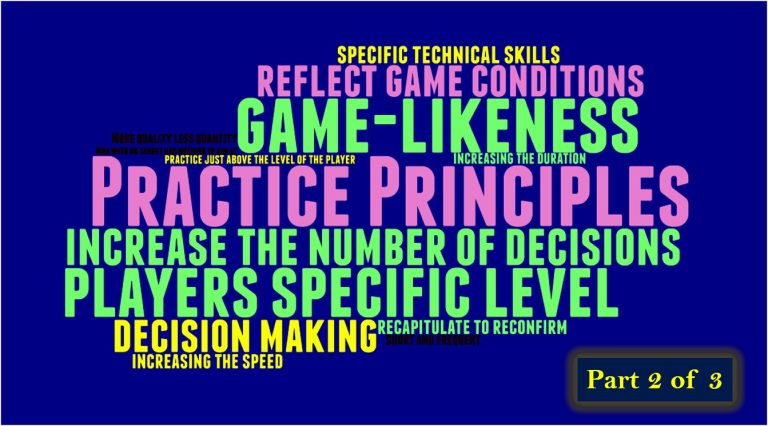
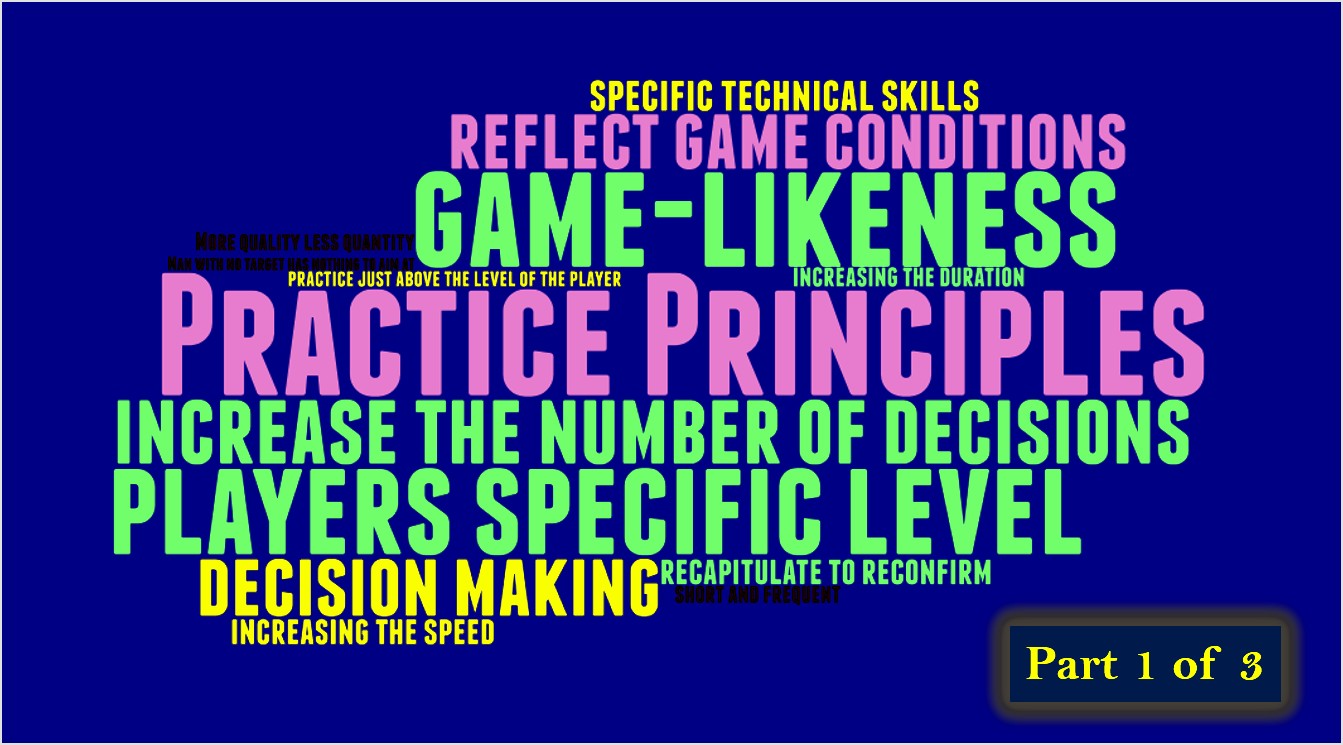
Practice Principles : part 1
This advice is based on work done by Roger Mills a professional badminton coach and my friend

As you read the information, think about how you structure your badminton practice.

How deeply do you consider what you do, it’s effective, and if it prepares players for the demands of competition?

Do you just repeat those routines that you did as a player?  Or, do you copy the latest ‘must-do’ practice that you’ve seen on Instagram?

I recommend that you analyse your practices and compare them to the following guidelines.

This is a 3-part post

There will be advice to follow or consider.  There may also be questions for you to consider.

Before I discovered these guidelines,
I often used the same practices for all players I coached

The guidelines

The guidelines helped me to consider how I designed practice,
to make it specific for the player, to aid their development, to think as a coach

Set the practice at the players specific level

For that skill/task/technique

Specific to what needs attention.  Be aware that a player may have a “playing level” (ie ranking, grade, etc), but aspects of their play will be  at different levels. 

Design practice so it challenges the player at or near to that specific level for that aspect.

These aspects may vary in the extreme: a great FH overhead FH, but a poor backhand (I will let you decide what that may look like).  

Designing practices that create opportunities for success and development is a challenge for the coach. 

Ensure that the practice is set at a level specific to that current skill, techniques, tactical usage, and not just a “general “this works for everyone” type practice.

The player should have opportunities to experience success, failure and for reflection.

In some literature, this is known as creating a ‘desirable difficulty’.

It is vitally important to challenge the player whilst developing the skill.
The challenge needs to be specific to that player
Be aware that …
What will practice look like

It will look challenging, sometimes difficult, and sometimes successful within the challenge.   Often, a mix within the time observed.

To an expereinced observer, it will appear progressive at times, at others regressive. Always deliberately crafted to assist the player in developing the skill being practiced.

Prolonged observations may identify that the challenge level of practice varies between skills, techniques, etc., etc being developed.

Practice must be game-like

– reflect game conditions as closely as possible

The more a practice simulates real game conditions and requires players to respond as they would in a game, the better prepared a player will be for competition.

As you design a badminton practice, please check the amount of real game-likeness.

Be aware that many practices seen on social media contain very low levels of game-likeness.

However, do you know how to measure or understand all the components of what makes a practice similar to competition, rather than just a practice task?

The aim is to try and elicit and develop game-like responses.
What makes a badminton practice game-like?
Be parepared to test your convictions and take into account
 maturity, technical skill level, tactical desire, and  physical condition
Be aware that …

The degree of gamelikness in many traditional practices used is very low. Sometimes this is a deliberate choice, often not.

Often, the deciding factor is the amount of decision-making required of the player within the practice.

Are they just chasing shuttles or considering, planning, strategising?  All are seeking an advantage over the opponent or to nullify the opponent’s actions.

Consider these practice types carefully.  Assesses the amount of decision-making and the relevance to the above statements…

.. Multi shuttle repetitive practice in which lots of shuttles are hit from a specific place on the court by a feeder.

.. Routines/drills using a defined sequence of movements and shots known to players.

What will practice look like

It may seem obvious: game-like practices reproduce the ‘information’ and ‘feelings’ that are similar to those in a match.

Players will react to what they see, their feelings, their intentions and the outcomes, rather than just executing technique.

6 ways to include decisions making in Badminton practice
Click to read more

Summary

These two principles of game-likeness and practice specificity were unknown to me even after my first formal Coach Education.

It was my mentor, Roger Mills, who opened my eyes to the importance of understanding practice.

Watching him translate these two coaching ideals into real on-court situations was a revelation to me. It was badminton practice like I’d never seen.

The sessions looked and felt like a competition. But all this happened in a practice session with room for errors, improvement and lots of obvious player development. Almost all practices used one shuttle with both the coach and player hitting.

It seemed so simple: identify the specific level of the player for that skill and make the practice like a game.

However, hidden beneath the simplicity was a mix of choices made by him and adjusted constantly without the player realising.

This was fantastic to watch and frustrating to try to replicate for me! 🙂

Send me a question

I’m always grateful if you have read this far.

If there is anything that you have read that has helped or that you disagree with, then please send me an email.

I promise to read all your comments

It would be great to hear from you contact@badmintonandy.com

Share the Post: