How the challenge works
Imagine you’re asked to speak about a topic you feel passionate about.
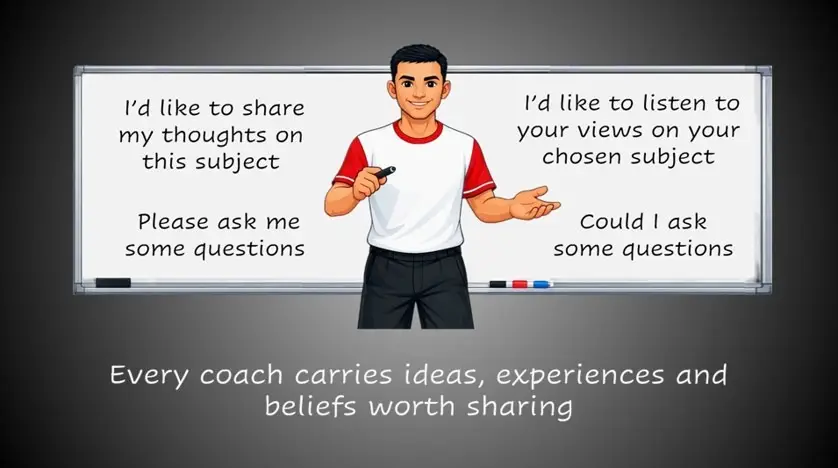
Choose one subject from the list. In this version of the challenge, each coach speaks for 15 minutes, uninterrupted, to a small group of 4–6 coaches. Notes or handouts are optional.
After the 15 minutes, the group has 10 minutes of Q&A — a chance to explore ideas, challenge viewpoints and ask for clarification.
Then the next coach takes their turn.
This can be done on or off court.
This is a simple group activity aimed at sparking conversations between you and your coaching friends.
You decide how far it goes — it might end with a chat courtside, in a café, or during a long car journey. It can also be a private, reflective exercise if you prefer.
There’s no preparation required. Just choose 3 + 3 topics from the lists below. You can decide if you want to take the challenge further and actually deliver to others, then listen to their topics and questions.
Why take part
The aim is simple: to reflect on your own coaching passions and allow others to benefit from your perspective.
Your thoughts might spark new ideas in someone else. Their questions might help you refine your own understanding.
Within your 15 minutes, you can pose questions to stimulate thinking — but the discussion happens in the Q&A section.
If you want, you can prepare a short handout (no more than one side of A4).
The preparation tasks
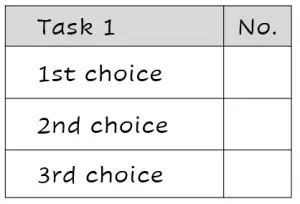
Task 1 - Share your thoughts
Choose 3 topics you would feel confident discussing with other coaches
Rank them in order of how motivated you feel to talk about each one.
Depending on what you intend to do next, either send the list to each other or begin to create thoughts for your 15 min teach-back to your friends.
In my challenge, we decided only to create a list of all the subjects we would like to know more about or that inspired us. The long list is at the end of this post for your interest.
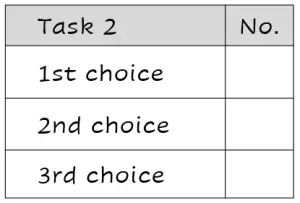
Task 2 — Explore what others have to say
Choose 3 topics you would most like to learn more about from others.
It’s your opportunity to explore.
When selecting the subjects, consider whether you want to compare thoughts and opinions you already have or to learn about something new.
This is your chance to hear new viewpoints and discover fresh ideas.
What do your choices reveal about you as a coach?
Are they shaped by your strengths, experiences, curiosity, or areas for development?
The subjects
Choose 3 to talk about and 3 to hear and learn more about
1. The differences between Technical & Tactical practices
2. The advantages and disadvantages of multi-shuttle practice
3. The different uses of Multi-shuttle training
4. The various ways to make a practice harder
5. How can a coach identify whether genuine learning and development are taking place?
6. Giving feedback to a player in an individual practice
7. What early singles tactics would you present to a beginner player and how would you do this
8. Advice to players on how to cope with a weak backhand
9. The advantages and disadvantages of shadow training
10. The different ways a coach can acquire and gain knowledge
11. The advantages and disadvantages of repetition in practice
12. Introducing and coaching the split step
13. If you £100,00 to allocate to improving your coaching knowledge, what 3 or 4 things would you do
14. What are the benefits and challenges of working with another coach
15. The things I want to know more about and why
16. My top 3 coaching methodologies: the strategies and methods I use in my coaching
17. Conditioned Games – design, implementation, benefits, etc.
18. How to analyse a Badminton match: various systems and methods
19. How and when should coaches adapt their coaching style to individual players?
20. What are the characteristics of effective badminton practice?
Task 1
I would like to talk about these
Task 2
I would like to hear more about these
What will you decide
Which three topics would you feel confident talking about?
Which three topics would you want to hear more about?
What questions would you expect from other coaches?
Would your choices be about learning something new, or checking your current understanding?
Please let me know which 3 +3 topics you selected
Are there any other topics, subjects, or questions that you would add to the list