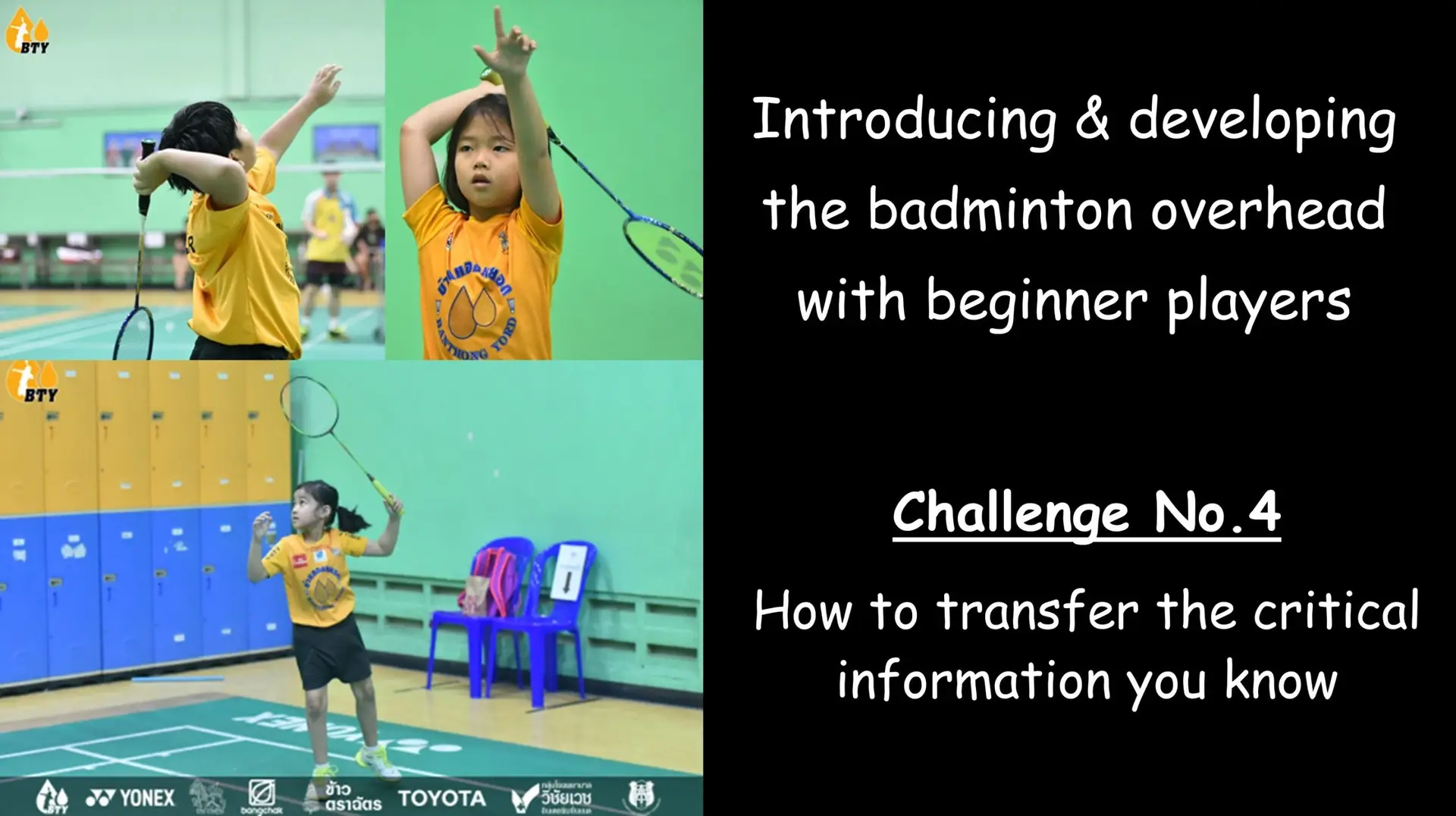
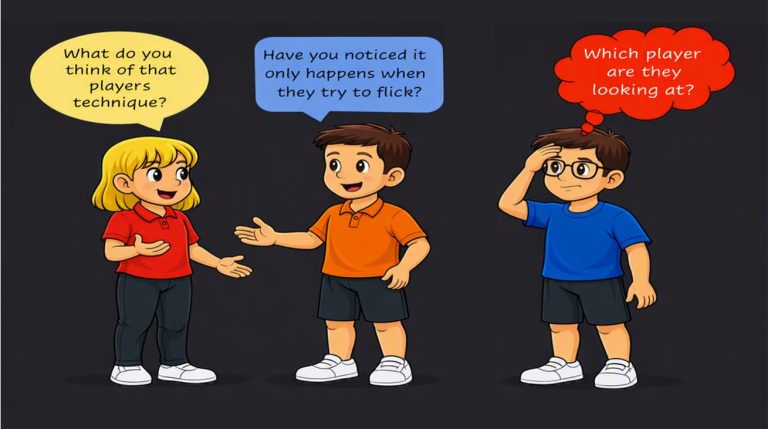
The story of the 3 coaches watching a tournament
I called a good friend and we discussed these topics
Do you agree with our thoughts or do you have an alternative viewpoint
Most often, you only see what you are familiar with
Learning what to pay attention to when coaching is a journey of discovery (hopefully, someone can help you), so we will certainly miss things.
You don’t know what you don’t know
There will always be something that either you don’t see or don’t realise the significance of what is happening: “what we know is what we see“
It’s more productive to observe with others
Comparing thoughts with others is best, but remember the 2 points above. How many friends do you have to ask, and what expertise can they bring?
The problem of where to focus
Focusing specifically on one thing may ‘blind’ the coach to other observations; however, observing broadly may not gather the information you need. This is an eternal coaching struggle. Develop a coach’s eyes that can both focus specifically and yet be alert to others aspcts that could pop up.
Each part of a rally provides information
Don’t always just look at the end result (shots out the back or into the net, etc). Look for clues, other parts of the action, the context of the rally, etc. Context and all its components are important.
Unconscious bias towards your model
If what you see doesn’t fit your model (your expectation), check your model or accept that individual differences will always occur. How flexible is your ‘model’ and all its components? Having too rigid a viewpoint regarding technical, especially, may limit your ability to maximise the potential of your players.
The knowledge problem
Novice coaches can become fixated on a small number of ‘critical’ aspects (in their opinion) due to their knowledge at that time. It is important to acquire the ability to see both ‘Big & Small’ observations, then separate those critical ones that need action from those that ‘can be addressed later’. ie not everything you see needs to be actioned immediately.
Do you recognise your own development journey as you read the points above?
You may enjoy this
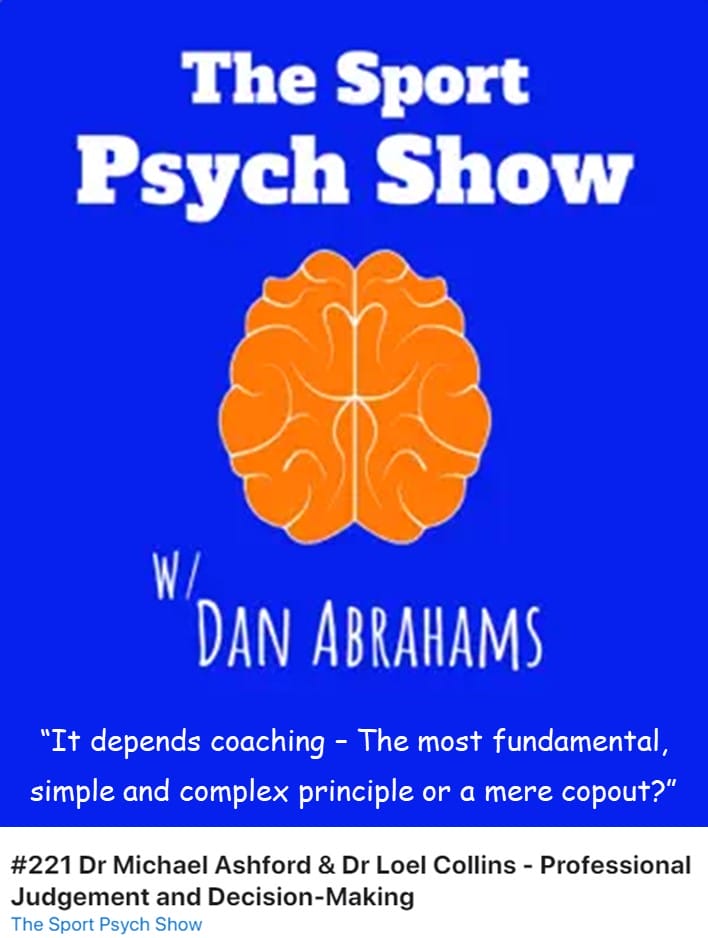
Another great podcast from Dan Abrahams host of the Sports Psych Show.
Dan is joined by Dr Mike Ashford and Dr Loel Collins in this episode, both of whom lecture at Edinburgh University and are both coach developers at Grey Matters
“It depends on coaching – The most fundamental, simple and complex principle or a mere copout?”
They talk about all things coaching, coach assumptions/bias, coach adaptive expertise, and nested planning/thinking.
Plus the new term to me of ‘inattentional blindness’




![Keep your racket up - Duplicate - [#38056]](https://badmintonandy.com/wp-content/uploads/2026/09/keep-your-racket-up-300x168.webp "Keep your racket up")



![Keep your racket up - Duplicate - [#38056]](https://badmintonandy.com/wp-content/uploads/2026/09/keep-your-racket-up-scaled.webp)