
Thinking about changing from playing to coaching,
The tips, strategies and tricks you need to know
Then this post is for you
How easily do playing skills transition over to coaching?
Being a Coach is not the same as being a Player
The difference between Player and a Coach
The mindset is different
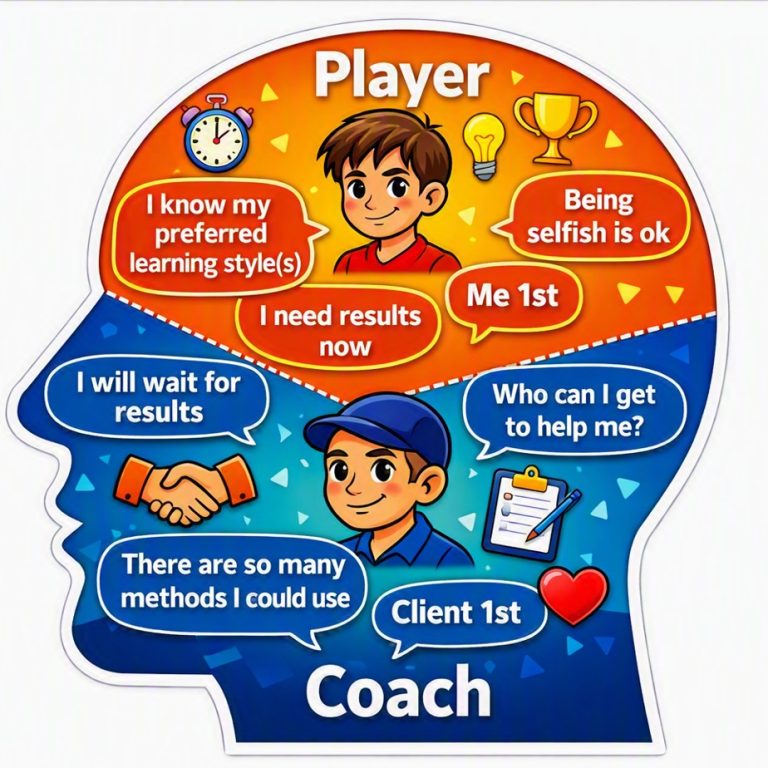
My mentor used to say that players must be selfish (at times) and coaches needed to put their players (clients) first.
It’s not an easy mindset to change and it’s a huge mind shift from a Player to a Coach
Many players decide to start coaching (after or during their playing days) believing that they can simply transition from being coached to becoming the coach. It sounds reasonable as they have been involved with badminton for years (from often 7 or 8 yrs old). However, that was as a player.
The change and reality can be challenging and sometimes surprising. However, with some thought beforehand the transition can be at least planned and prepared for.
This content
The advice in this post is all aimed at helping you prepare by giving you some ideas of what challenges and stresses you could face.
If you jump straight onto the court and start coaching it’s likely that there will be upsets, on both sides of the net.
I believe that Coaches need to embrace that they are there to deliver an experience that is worthwhile and effective in the eyes of both the player (importantly) and you the coach. Therefore you are working to improve someone else (1st) and yourself (2nd).
The most challenging part will be how to develop the skill of reflection you need as a coach. This is similar to the processes you used as a player but the viewpoint may surprise you.
You will have to develop coaching skills, reflect, adapt and be confident that a) this process is worthwhile, b) you may need to change some core beliefs c) understand that people (your clients) are not all the same as you.
If you think that the role of a coach is easy, as all you need to do is instruct then be ready for a surprise!
A coach’s job can seem easy: deliver information, encourage and watch them improve
However, coaching is like playing; put simply, some people do it better than others
Learning to deal with the career change
Moving to the other side of the net, or off-court completely (the best place to be) can be tough for some people.
There are many small challenges that you may not be ready for and haven’t even thought about so an open, flexible and enquiring mind is essential.
I recommend that you use as many of your playing experiences to help you become a coach.
However, I’m not talking about your ability to give great demonstrations, tell stories of how it was in your day, or your ability to multi-feed with super accuracy, superfast.

Focus on the approach you took to learning new skills as a player.
Knowing (and remembering correctly) how it felt and how quickly you acquired a skill, that will help you understand the perspective of the learners in front of you.
Can you remember the struggles, the shortcuts, the advice that made a difference?
You may find that you have to think deeply and self-check lots of times before using what you did to help others.
The biggest challenge is to realise that other people aren’t you.
Are you prepared to accept that it’s probably YOU who needs to change and adapt
You cannot coach everyone the same way
Your mindset will be critical
- Will you go in search of the information concerning how people develop sports skills or will you be satisfied using what worked for you?
- Do you assume that people learn best through repetition and that the simpler you make the practice, the better chance they have?
- Will you value coaching Technical skills and believe that Tactical skills are just ‘naturally developed’ ?
- Can you engage with people that have different views or will you only talk with like-minded people, or maybe not talk about coaching at all?
- How will you react to challenges from others who question your methods? Can you answer your own questions?
- Will you believe that you’ve had a good start due to your playing days or decide that the journey has just begun and view yourself a novice?
Problems but maybe not obvious
Lack of aerobic work
This depends on the style of coach you want to be. For most, the reduction in aerobic work replaced with hours on court in a sedentary style may cause your body to change.
I recommend that all coaches do some form of lower to middle-intensity aerobic work frequently.
Just being on the court is not the same as exercising on the court, grumpiness and headaches can easily set in if you don’t exercise.
Coaching injuries
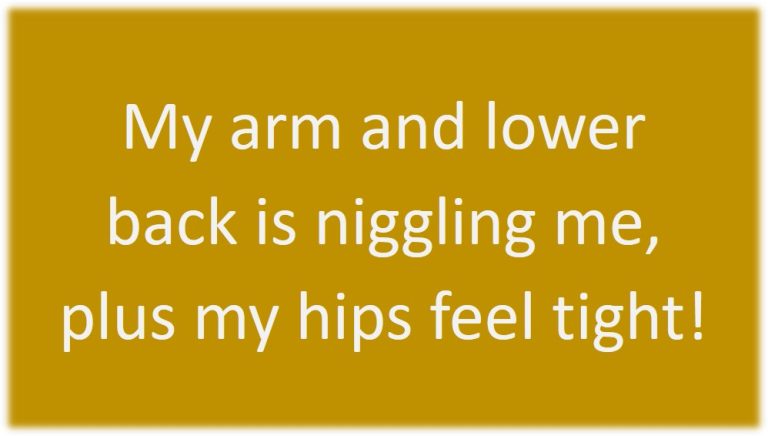
Overuse arm/shoulder injuries plus lower back problems are common.
You may believe that you hit more shuttles as a player but again this depends on what type of coaching you want to do. Lots of static feeding can easily cause overuse injuries in your forearm or shoulder.
Be careful as once these injuries start (especially overuse ones) they can be hard to heal if you still want to coach in that style.
Thinking
Coaches have to think … Yes it’s true 🙂
You may be surprised at how much mental energy all the thinking takes up. Who do you think designs all the practices and identifies what to work on next?
There is no magic ‘Book of Drills’ for you to use, or if there was is that really coaching?

Working hours
If you want to make a living or just pocket money from Coaching you need to be on the court when people are available.
Before work and school (06:00- 09:00) or in the evenings (16:00-23:00) your working hours can feel strange.
Plus weekends are no longer rest days. Family life will have to be organised.

Other people
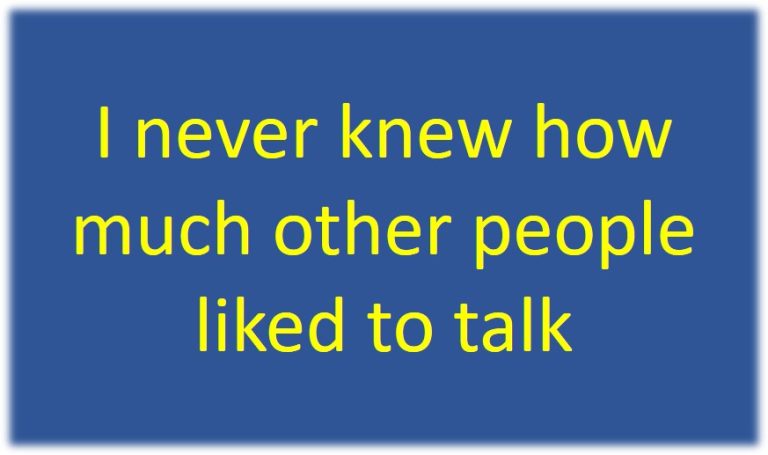
You will need to become great at communicating with people, lots of different types and personalities of people.
No longer will you be able to pick and choose who you work with.
You need to be able to communicate with all types of personalities. This can be challenging and tiring but also highly enjoyable if you enjoy other peoples company and love to listen to their stories.
Control and frustration
If you liked control as a player be prepared to have times when you can’t control everything.
Cancellations at the last moment, clients moving to ‘better coaches’, your favourite players just decided to stop playing.
There are so many factors that you will not be able to control.

Find your style & know your strengths
As a coach, not a player
Is a coaching course that will help you identify your coaching style, your strengths and weaknesses
It certainly will not be the traditional course. Those (as far as I know) are not designed for you to find out about yourself.
Most sports-specific coaching award courses are only checking to see if you have the ability to reproduce lesson and information that fits their set criteria.
Please don’t rely on coaching awards to help you define your style.
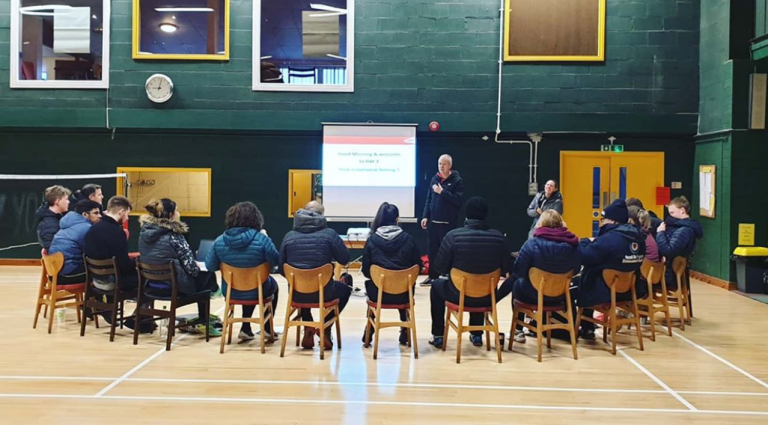
Most of your learning about yourself will come outside of any courses
Find your style(s)
Don’t think that you will have a single ‘style’ as a coach
How could you work in the same manner with every player you coached?
Not only will they be different (personality), but they will have different motivations for working with you. T
hen as they improve or grow older, both their personalities when on the court and their motivation may change.
You need to be ready to adapt and able to do that quickly.
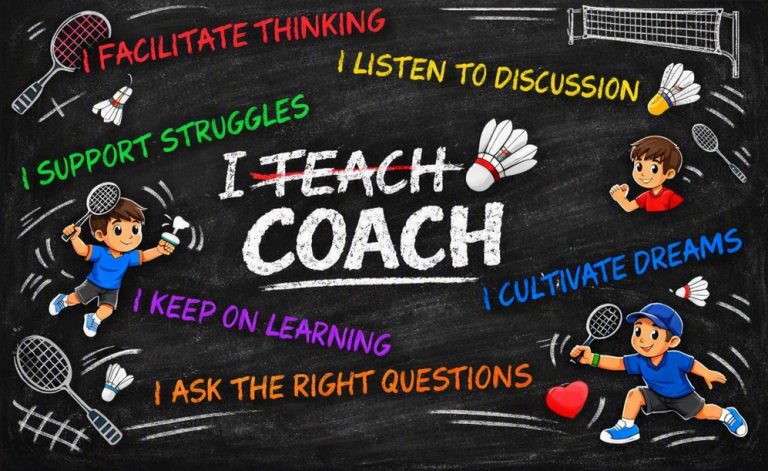
Think about how you would want someone to describe you after working for 5 sessions
Create an adaptive coaching style with key cornerstones
- What image do you want to present: serious / fun-loving, distant / friendly, detail orientated / free-flowing, technically obsessed / anything goes if it works.
- How will you express your desires: will you learn towards conservations, be more instructional and with direct action, create rules, allow and encourage individual freedoms and responsibilities
- Performance or Participation: will you always be striving for people to improve or can you adapt to the possibly ‘lesser’ goals of your clients
- Short term success vs Long term gains: will you be willing to develop players slowly for future success or seek quick (emotional) wins. You can design practices to do either, it’s your choice.
- Your Coaching beliefs: this concerns how you believe people learn best and what methods you will employ. More of this at the bottom of this post.
Your strengths and how they can help
Do you know your strengths?
Now is not the time to be bashful or embarrassed at writing a list of your best qualities.
List 5 right now 🙂
There are strengths that you can transfer….. please think deeply about these suggestions
Analysing strengths and weaknesses
When you were a player
How easily did you work out the tactics to exploit and beat your opponents?
Can you remember the way you structured your observations and prepared match plans or help your coach devise training plans
Now you are a Coach
How easily did you work out the tactics to exploit and beat your opponents?
Can you remember the way you structured your observations and prepared match plans or help your coach devise training plans
Goal setting
When you were a player
Could you easily breakdown your targets into smaller goals that seemed progressive and attainable?
Or, were you always aiming so high that you had to develop ways of dealing with setbacks. Remembering how you work with goals is important, especially if eventually you found a process you liked.
Now you are a Coach
It’s time to teach your clients about goals. Explain and give examples of the methods you used.
Don’t forget to be realistic and encourage them to define their own targets.
Prior to the very first session (and then at review meetings) I’d ask clients to bring with them 3 things they were good at and 3 things they wanted to improve.
This was a great starting point to define their goals over the next few weeks and months.
Learning new skills
When you were a player
How long before you realised that there was a process (a journey) to learning new skills?
Did you get frustrated when you didn’t make the progress you wanted and demanded that the coach found a better way to help you develop or did you develop skills easily and quickly?
Now you are a Coach
Remember, not everyone learns in the way you do. In fact it’s more likely they don’t.
How will you react to that?
Can you develop an ability to subtly change a practice if it’s not working or the player is frustrated.
Warning : just repeating over and over or making it simpler may not help your players develop game skills.
Can you commit to educating yourself in the art how people learn sports skills (movements, tactics, techniques, pysch, etc)
Enjoying practice
When you were a player
How important was it for you to enjoy or take satisfaction from practice?
Did you ever complain to yourself that you didn’t like a certain practice or training sessions?
What was your favourite practice and how did it make you feel ?
Now you are a Coach
Find out what your clients enjoy is important.
It’s vital that you learn to motivate people and find ways of reducing frustration, creating smiles and feelings of satisfaction.
Be aware of only rewarding ‘effort’.
Don’t always be the coach who demands more and more (repetition, etc). Engage with players and find out what an enjoyable practice means to them. You may be surprised at the replies.
Making notes
When you were a player
What did your training and opponent diary look like?
Did you have a notebook to record the tactics and observations about opponents?
Are you proud of the records and insights you gathered about all your opponents?
Now you are a Coach
Your coaching diary is as important as your playing diary.
However it will be much bigger and probably contain as many questions as notes
Your diary should not be full of your favourite routines, or multi drills.
Get used to writing short notes about the session, the things you did and importantly the aspects that surprised you. Oh, and ideas for future sessions.
Find a mentor
Visibly or quietly
Hopefully, you’ve already not only thought about this but found someone to work with.
Your journey of development as a coach will be much more effective if you find someone to help you.
You don’t have to tell everyone that you have a mentor if you feel it’s not something you want to share. Plus there are many different types of mentors.
Please don’t think that their role is to guide you and answer all your questions. They may do this but they can offer much more.
My toughest conversations and on-court coaching moments came from
working with the man (my mentor) who was also my biggest coaching supporter
Working with a mentor
It may be effective but it’s not always easy.
I believe that you need a mentor for several reasons. Some you may agree with others not
- You need to expose yourself to questions and your own reflections. Are you prepared to do this?
- If your aim is to be busy, then realise that the only coaches voice you will hear each day could be your own (it can be lonely and dangerous)
- If you spend all your time in your friendship bubble, who will be there to challenge or just ask you an insightful question. Be careful if your friends always agree or you find that they don’t want to talk ‘coaching’ with you.

- Who will answer your questions – do you believe that you know all you need or do you have more questions than answers?
- It’s common to find out that the more you experience as a coach the less you understand. You may find that eventually you have many doubts or contradictions even though you have years of experience as a player. A mentor will listen and find ways to help you through issues.
A mentor will be able to help you navigate through all the points above
They may not give you any answers, but hopefully guide you to solutions
Send me a question
I’m always grateful if you have read this far.
If there is anything that you have read that has helped or that you disagree with, then please send me an email.
I promise to read all your comments
It would be great to hear from you contact@badmintonandy.com

![Introducing the badminton overhead – Challenge No.3 - Duplicate - [#36874]](https://badmintonandy.com/wp-content/uploads/2023/05/Badminton-Forehand-Overhead-3-scaled-1.jpg)
![Introducing the badminton overhead – Challenge No.2 - Duplicate - [#36821]](https://badmintonandy.com/wp-content/uploads/2023/05/Badminton-Forehand-Overhead-2-scaled-1.jpg)
