“Be careful”, I heard the voice inside me say
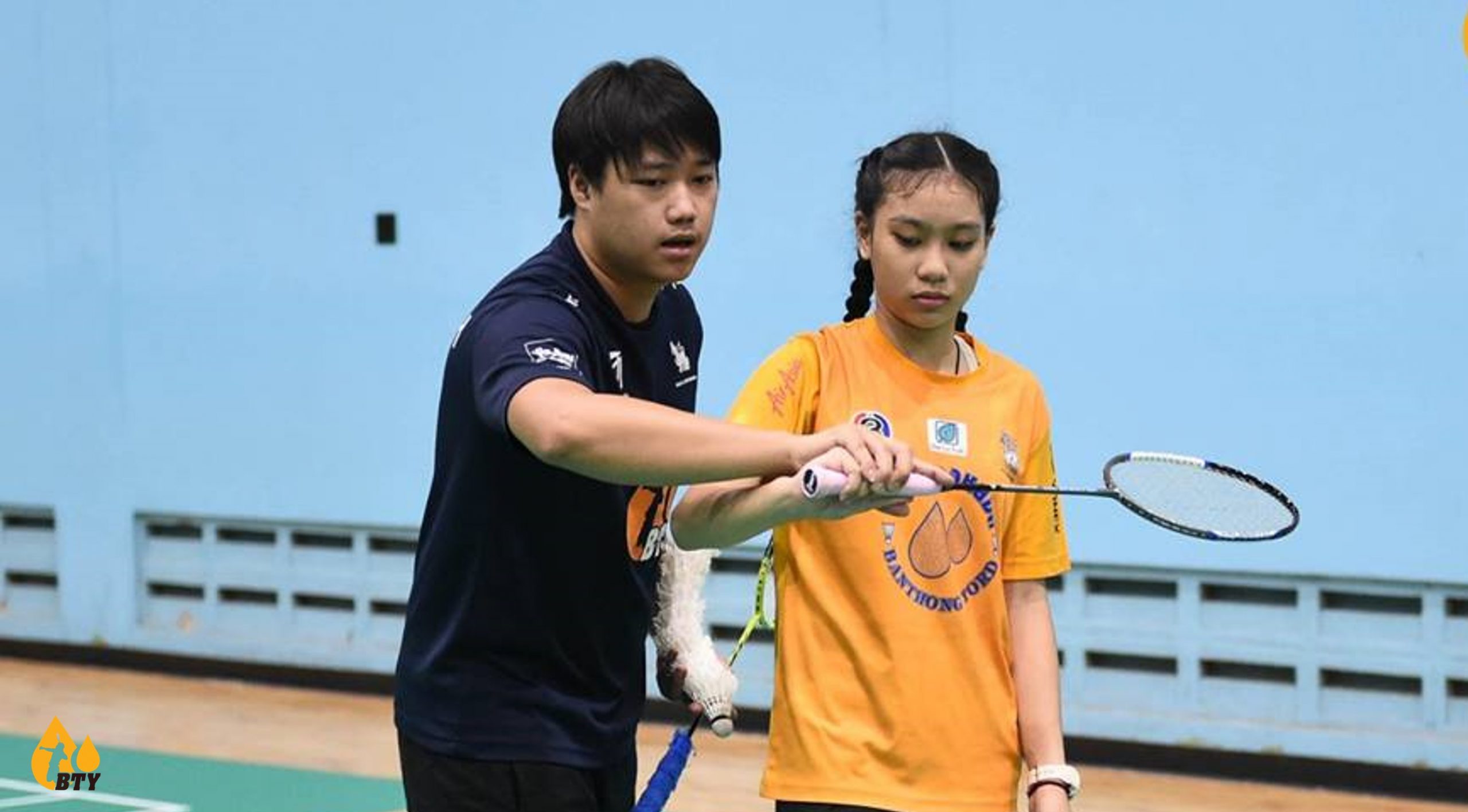
Should I intervene and change the technique?
It was a tough lesson to learn and it took a while!
There is far more to changing a badminton technique
than just offering instruction in the hope that things will improve
I didn't expect all the challenges
And, all the different skills that I would need
It wasn’t as simple as I thought. I was faced with challenges I didn’t expect, some greater than others. I wish someone had told me about them.
All the different skills that I’d need, all the different voices I’d hear and all the mistakes I’d make. Many of the mistakes came from good intentions, but many didn’t help the player or me (the coach).
I initially thought that all that was needed was to address the aspects I could see directly in front of me. I had no idea of all the variables and considerations that need to be addressed.
Eventually, I’ve realised that there is no ‘one way’ to change a technique and there certainly isn’t such a thing as a ‘perfect technique’!
The advice I was given
After watching and working with some great coaches, I realised that it was far more than just offering instructions when changing techniques.
In fact, it was far more complicated than I ever imagined.
On reflection (after many hours of listening, watching and questioning), I realised that these coaches were sensitive to many different aspects.
These coaches would see something, identify the possible courses of actions, selct one, then act. Then they would review that choice and repeat the process.
It seemd exhausting:but thatw as my challenge.

Agreed, Subtle and Hidden changes
No one told me that there are different high-level strategies that a coach can use when changing a technique.
Eventually, through trial and error and by working with some great coaches, I became aware of these strategies:
Obvious – the player and coach both know (have defined) and agree on the change. They monitor progress, they discuss strategies, and they work openly towards a change.
Subtle – the player and coach have agreed to work on a change, but it’s not always obvious to the player. Some practices seem to address one thing, but actually, they are addressing another (in part).
Hidden – the coach has identified the requirement for change, but has not spoken with the players and works on it without the players’ knowledge.

Each of these methods requires expertise from the coach,
none are easier than another
Often I was told ......
“think about what the implications could be when changing a technique,
try to be sensitive towards these ….”
Psychological impact
Stage of the season
Stages of refinement
Working quietly
(constraints & tasks)
Players’ awareness of the technical content
Differences between
Player & Coach expectations
Possible injury
(change can cause stress)
Effect on
competition & mindset
Refinement is different
from correction
Psychological impact
Players may respond differently and each individual may have a range of thoughts and emotions during any changes.
I realised that I had to stop treating everyone the same.
Stage of the season
Some changes work best in the off-season, others may need immediate action.
I had to consider the priority and combine the tournament plan into my thoughts.
Stages of refinement
Not all changes take the same length of time, and players will have different thoughts on how quickly the changes should take.
I had to plan and prepare for each stage of change, then be super flexible and understand the players’ expectations.
Working quietly (through practice constraints & distractions)
Often, the best changes came when the players didn’t appreciate that we were working on a change. Why do the players need to know everything!?
I needed to quieten my words regarding what I was doing and just do it.
Players’ awareness of the technical content
What do players need to know, what should I say, and what type of phrasing should I use? Why not experiment iwith the technical language you use.
I tried to sound less like a coach talking to another coach.
Differences between Player & Coach expectations:
Both could have different thoughts. They may only be thinking about their own expectations without realising that they know nothing about the others. Check regularly and have conversations, I guess that sounds obvious!
I realised that I never asked my players about what they expected during the change and what their expectations were at the end.
Possible injury
Some changes can cause injury or at least stimulate the body to react differently than previously.
I never expected to injure someone just by making a positive technical change 
Effect on competition & mindset
Knowing that you are changing a technique can have a huge psychological impact on some players if they are about to play a competition. Integrate the plans for changes into the pre-competition mindset work.
I needed to be sensitive to what happens in competition during changes.
Refinement is different from correction
I’ll leave you to think about this for yourself.
I believe that refinement and correction are different and do require different coach methodologies and skills.
There is far more to changing a technique than just practising something different,
do you agree?

Send me a question
I’m always grateful if you have read this far.
If there is anything that you have read that has helped or that you disagree with, then please send me an email.
I promise to read all your comments
It would be great to hear from you contact@badmintonandy.com