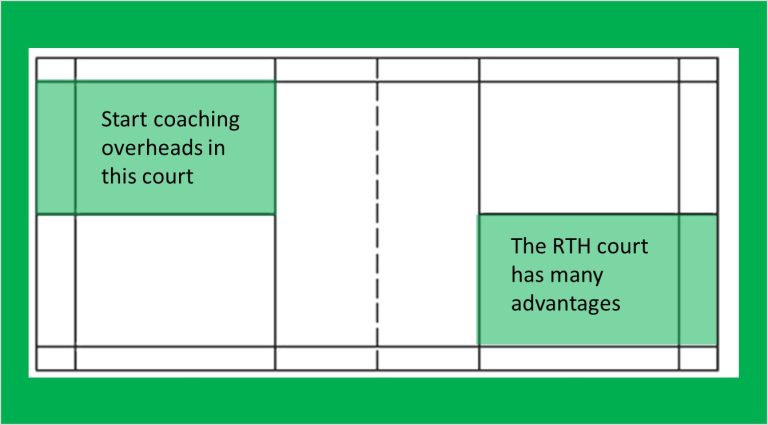
Coaches are recommended to introduce beginning overhead coaching in the round‑the‑head area as it provides greater opportunities for success.
The advantages for practice design, feeding, preparation, movement and confidence are outlined, as well as how to progress to more complex techniques.
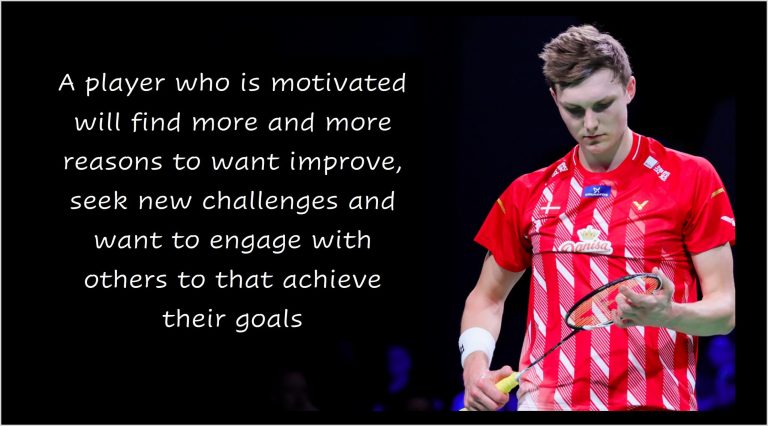
Motivation is a key element to meaningful learning. When players feel curious, confident and successful, they practise more and progress faster.
Design enjoyable, achievable tasks that build belief, persistence and long‑term engagement, creating stronger, more resilient learners.
Stances may be the hidden foundation of every badminton skill.
Explore how selection and timed preparation boost speed, confidence and decision‑making.
If you want players to move better, react earlier and feel more in control, this article gives clear, practical reasons to prioritise stance training.
Coaching is full of unpredictable decisions with no guarantee of a perfect choice. Coaches must embrace uncertainty, experiment, and adapt.
Progress comes from reflective decision‑making, staying curious, and choosing actions that best support players in an evolving moment.
Explore the decision-making and simple player guidance associated with selecting which opponents’ strokes to prepare for.
The post reveals a simple idea that will help players, especially beginners in pressure situations. Removing doubt and creating momentary clear thought.
Technique changes can create more problems than they solve.
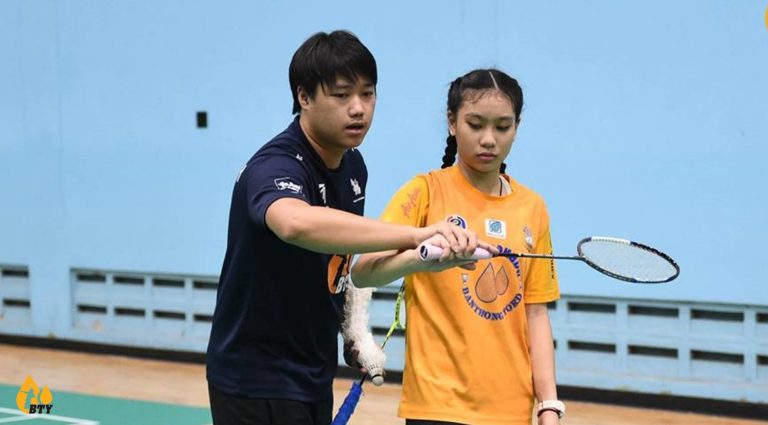
Poorly planned interventions or adjustments can damage confidence, disrupt timing and slow progress. Sharpen your coaching judgement, understand when, why and if you should change a player’s technique.
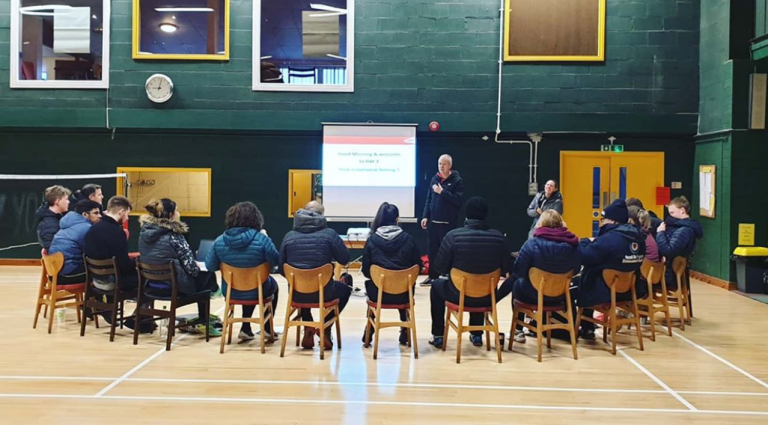
This post challenges the belief that formal coach education automatically makes you better. Real improvement comes from curiosity, reflection, practice and collaboration.
If you want to grow as a coach, this article will push you to take ownership of your learning and rethink what development truly means.
“The way coaches talk to players should be different from when they talk with other coaches”
Players and coaches interpret information differently depending on experience and confidence.
Effective coaching means adjusting language, tone and expectations to suit the listener.
If you want clearer sessions and happier players, this article is a must‑read.
Uncover a powerful idea every coach should understand: players can become saturated—overloaded by information, effort or emotion.
Spotting saturation early helps you adjust tasks, protect motivation and keep learning effective.









![6 Ways to develop effective Badminton grips base info for edit - Duplicate - [#28008]](https://badmintonandy.com/wp-content/uploads/2019/12/Badminton-grips-landscape-1-300x167.jpg "Home page - advice I wish I had known sooner")