
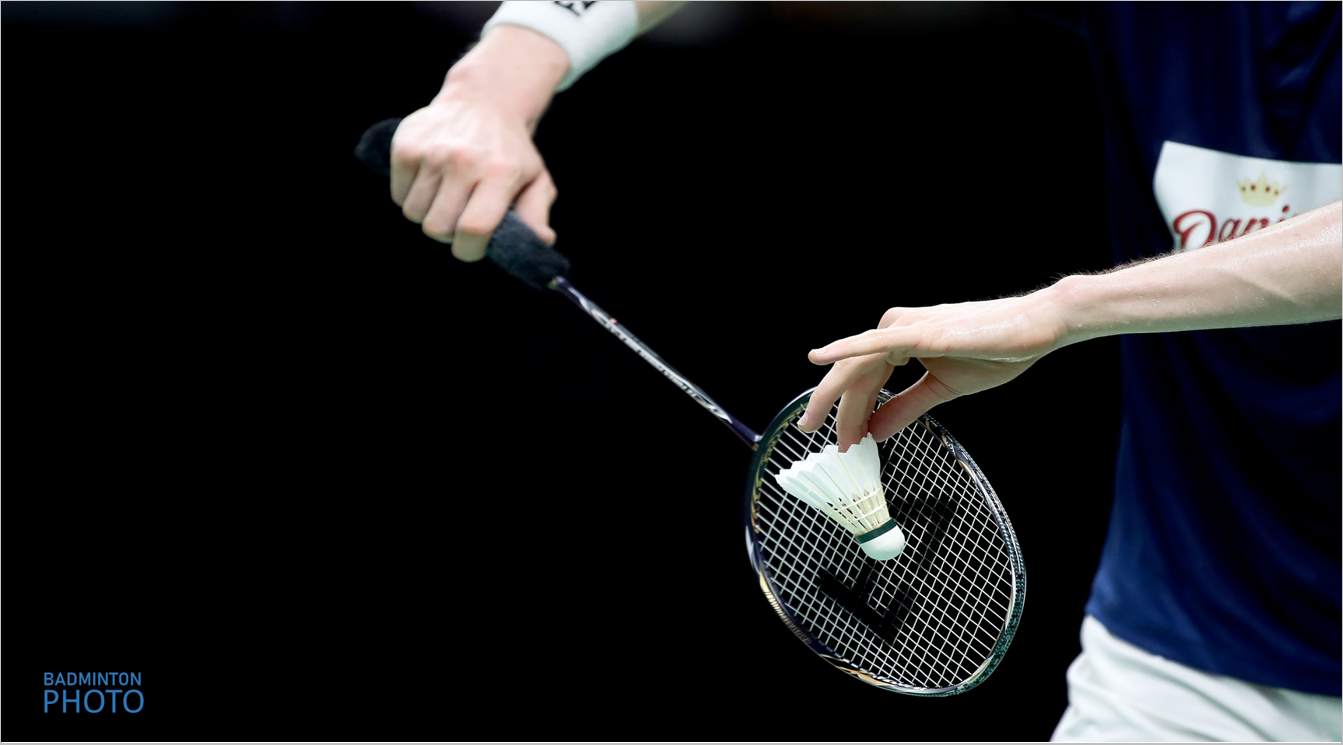
A singles low serve is a great weapon
It can increase your chances of winning a rally quickly
It can cause your opponent to make a return error
To be successful when serving low in singles requires a specific mindset
and the establishment of some specific skills
Have you read this post?
6 Ways to help develop a singles low serve
If you haven’t, I recommend that you read it first, especially if you are not already using a low serve in singles.

When to start
All players should experience it, eventually
I see no reason not to encourage all players to experience low serving in singles.
However, when is the right time to start in practice and when to start in a competition? The 2 scenarios are different.
Please don’t just start in a competition!
I’d recommend that these things need to be in place
- You really want to low serve, not just because someone told you it was the best way to serve.
- Be confident at moving backwards quickly, especially into the deep corners.
- Practice partners who want to help by playing games and setting up mini rallies to try out your skills.
- Believe that having a ritual is important: a set routine for your body and mind. Then practice it.
- Find someone to help with some ideas of where to stand, how to position your feet, what types of serves to deliver. They don't have to be your coach.
- Believe and undersatnd that self-talk and a positive mindset are very important. Thats becuase they are!
- Understand that once you start to try, it’s ok to fail a few times before you try out in a competition.

Left before right (for right-handers)
Which court to start in?
Have you thought about initially only low serving from the left-hand court? (For right-handed players)
Continue to serve high from the right court until you feel confident to low serve, move backwards into the deep corners.
I advise you to do this becuase . . . . .
- Serving low from the left hand court only will will make it difficult for your opponent to flick crosscourt and ‘find’ your backhand.
- This presumes that you are confident at moving Round-The-Head quickly. If you aren’t then maybe you shouldn’t be low serving just yet.
- This tactic is not completely effective but it will help you gain confidence and still be in the rally after low serving.
- It’s also important how you low serve, more about below (the Tech, Tac, Psych aspects)

Do you have a strong ritual
Why is a ritual important?
It was years after I started coaching that I realised how important a serving (and receiving) ritual was.
Once I became aware of its importance and power, I then had to change how I coached serving from the beginning.
My task was both to understand how to include it in my coaching and, secondly, how to explain (or not) the importance and benefit to players.
“Sometimes just knowing something works, is more important than knowing why it works”
The aim of a robust ritual is to be able to ……
“Imagine preparing to serve whilst standing on your favourite court”
Could you replicate this feeling whilst standing on a court anywhere in the world? That is the goal of using a serving ritual.
A good ritual should allow you to feel comfortable on court wherever you are.
Knowing exactly what you are going to do in the next 10 seconds is a great advantage. During this time, no one can interrupt or change what happens.
It all starts from the moment the last rally ends
Look out for a post called “How to create a great serving ritual”

I see no reason not to encourage all players to have a serve ritual
Age or experience is not a barrier
Its your ritual, so take control of it
As you gain more experience and technical expertise, the ritual may change.
It’s probably a good idea to review your ritual every so often. Watch others and the way they prepare for the singles low serve.
Coaches can assist by suggesting what you could include: the order you position your feet, how you prepare the racket and shuttle, when you decide to breathe and importantly the words your consder.
It’s called “self-talk”, can be done out loud (quietly) or you can say the words inside your head, but whatever you decide to say, it’s done with a positive intent.
However, there is no one ‘perfect’ ritual that a Coach can give you
You are in charge of how to prepare yourself from the moment the last rally ends
Use all this avaible time
Think about increasing receiver tension
Receivers can suffer from tension!
I never realised it was possible and how important it is to try and increase receiver tension
Receiver Tension is that feeling the receiver has before, and as you low serve.
These feelings start from even before you stand to prepare to serve and can continue after you serve up to the moment they hit the shuttle.
You can influence the receiver’s mental state, the tactical choice they make and hopefully, by doing so, you will increase your own confidence and power.

Use your ritual
The way you prepare can have a big impact on the receiver; you MUST believe this.
If you are not sure, go back up and read why I believe a ritual is important.
Please know that the way you move to collect the shuttle, move to your starting position, and look at the receiver, all these can work towards showing your opponent your state of mind.
They will react to this, so you have an opportunity to try and influce them.
Have you ever tried to affect the tension the receiver feels?
Technical, Tactical, Psychological aspects
Are you doing all 3
Using these ideas will not directly win you points, but they can help you to incorporate the low serve into your game
Technical
- Stand with legs slightly wider than your shoulders.
- Racket foot forwards if you are serving backhand, non-racket leg towards if you are serving forehand
- Shuttle held ‘carefully’ in your hand (maybe as part of your ritual)
- Push into the ground as you serve
Psychological
- Prepare to “Serve & Go!”
- Use your ritual – it’s very important
- Select your service type and visualise the return you want them to play, or, the one they need to move fast to
- Use your "Self-Talk"
Tactical
- Serve to their Blackhand Face racket face: at a younger age this technique may not be great, and players may have limited variations or low confidence when backhand flicking
- Serve Flat and long: Singles low serves do not have to land close to the service line. Aim to serve flat to ‘skim’ the net. Not worrying about the distance will hopefully help with keeping it flatter.
- Strike it slightly harder: this should prevent the shuttle from ‘popping up’ making it easier for the opponent to kill
-
BH court before FH court: go back and read point No. 2

- Look in control: confident or aggressive it’s up to you

Practice in both training and competition
Practice with motivated opponents/ practice partners
You want them to try and return the serve as they would in a real match.
It’s very important that they act as if they were playing a real game, trying to either beat you or gain an advantage with their return of your low serve.
Of course, you and they can run through a series of scenarios that you want to explore together.
This will help you to assess the result of how you intended to serve, plus practice your next movement.
See how many different ways you can serve, try out different preparation rituals, ask your partner (opponent) to try different returns.
Then stop and talk about what just happened. I’d recommend that you play 5 or 6 then have a quick chat before going again.
If your practice partner is not motivated,
it will be difficult to determine if your low serve is ready for competition.
Practice games
– 5 low serves each, then change
– 3rd shot winner gets a bonus. This applies to both the server and the receiver
– Outright winners (“Aces”) when returning serve score 3 pts
How to Practice in Competition
– Pick a competition in which you are happy and comfortable trying out new things
– Maybe only low serve from your backhand court first
– Maybe waiting until you are 1 game up and feeling comfortable, then start using your low serve
– Don’t be too harsh and judgmental on yourself if it goes wrong
Send me a Question
I’m always grateful if you have read this far.
If there is anything that you have read that has helped, or that you disagree with, then please send me an email.
It would be great to hear from you contact@badmintonandy.com

![Introducing the badminton overhead – Challenge No.3 - Duplicate - [#36874]](https://badmintonandy.com/wp-content/uploads/2023/05/Badminton-Forehand-Overhead-3-scaled-1.jpg)
![Introducing the badminton overhead – Challenge No.2 - Duplicate - [#36821]](https://badmintonandy.com/wp-content/uploads/2023/05/Badminton-Forehand-Overhead-2-scaled-1.jpg)
