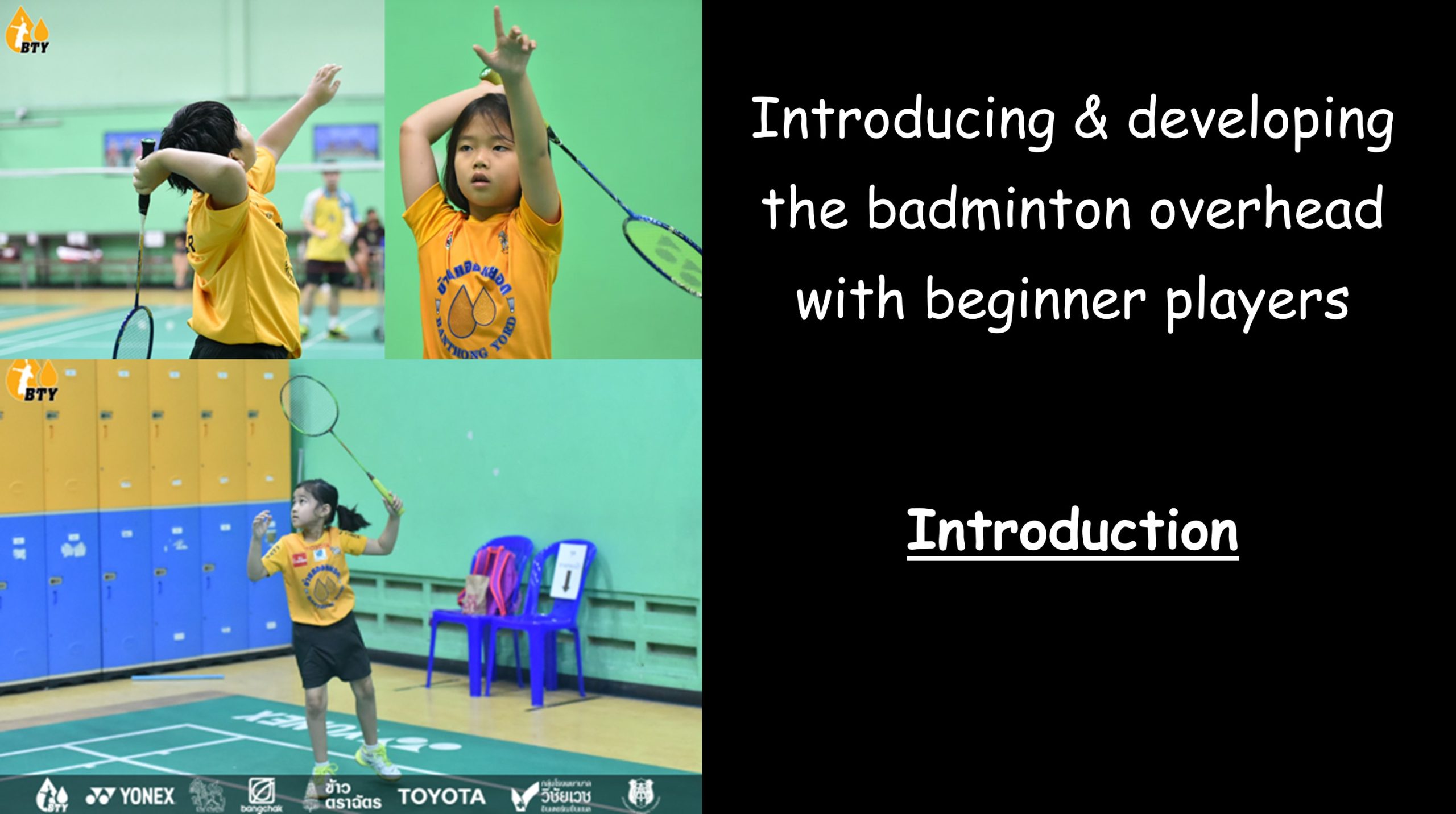
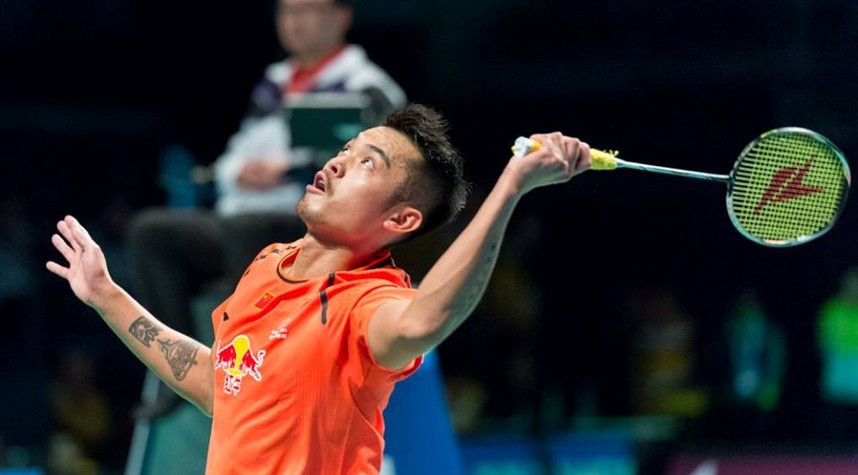
One of the most important early strokes to learn
Every player needs a great deep forehand
Especially at the start of their Badminton journey
Not only will it allow you to exploit your opponent’s weaknesses,
but it will also keep you out of trouble
What do you call it?
This shot is called different things all over the world, here are a few I’ve heard
… Forehand Pull
… Forehand Drag
… Deep Forehand
This post will introduce you to the stroke and why I believe it’s important
It’s maybe more important than you realise
There is an argument to say that you need lots of strokes and all strokes are important. However, I think that the importance of this stroke is vastly underestimated.
In my opinion, it’s more important than a service, more important than a net shot and for the beginner just as important as an overhead.
Tactically – it will not just keep you in a rally longer (which has to be good), it will allow you to both nullify (prevent an opponents attack) and it will allow you to easily attack them.
Technically – it helps solidify some previously learnt concepts (movements, stances, EP’s) plus it provides a vital linking element (prior learning) to striking overheads.
Mentally – it is not that difficult to develop once you’ve done some Wallwork and the stages of development are easy to introduce. Plus it’s another great example for the use of Backward Chaining and Player Start Practices.
Challenges and Game Skills – these are easily developed in a layered but seemingly player led style. Rallies can be created with the results obvious to all, leaving lots of opportunities for reflection, Q&A, self-organisation. However, only if the shuttle is returned by the feeder and even more so if the player starts the practice.
Coaches – it also provides lots of opportunities for progressive practices that include: player decisions, layered desirable difficulties, coaching cues that work, tactical developments not just technical repetitions.
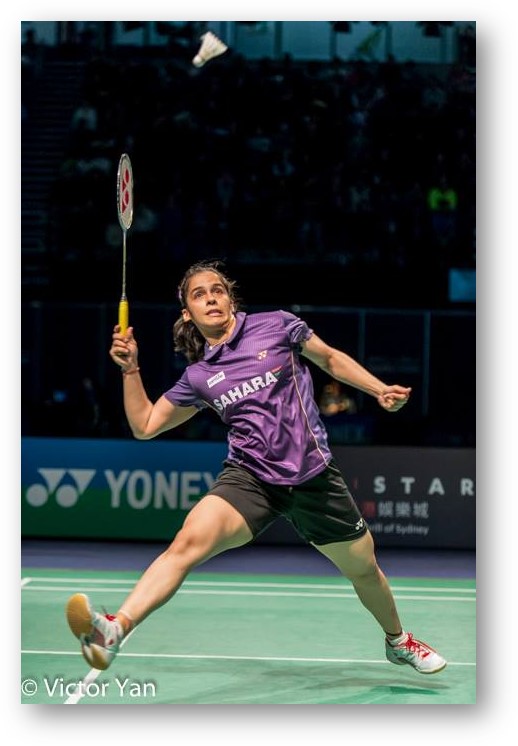
I enjoy those moments when I first introduce and start working in this area
Almost by magic, development can happen much faster than the player expects
What it is and What isn’t it
It is not just a defensive stroke
It isn’t always jumping out
I should have said at the start exactly what this stroke and movement is. Compare your definition to mine.
It should not be thought of as a defensive stroke, yes, at times it is, but often there is an attacking element to it. Even when struck from slightly behind the player, it can still be a weapon.
The stroke explained here is not a vertical ‘Jump-Out’, there is no explosive vertical element and clip down.
However, it still does contain an explosive foot out movement and it certainly has all the variations from the future overhead skills in later years.
It’s also not a stroke that requires lots of prior learning. You can try it out very quickly and progress.
I like to first introduce it as just another Wallwork exercise with self-feeding and only a few simple expectations.
Oh, and it’s full of tactical ideas and concepts.
To get the maximum early development and benefit, this stroke and movement demand variations in practice situations, player experiences, feeding situations and of course, layered decisions combined with critical key components.
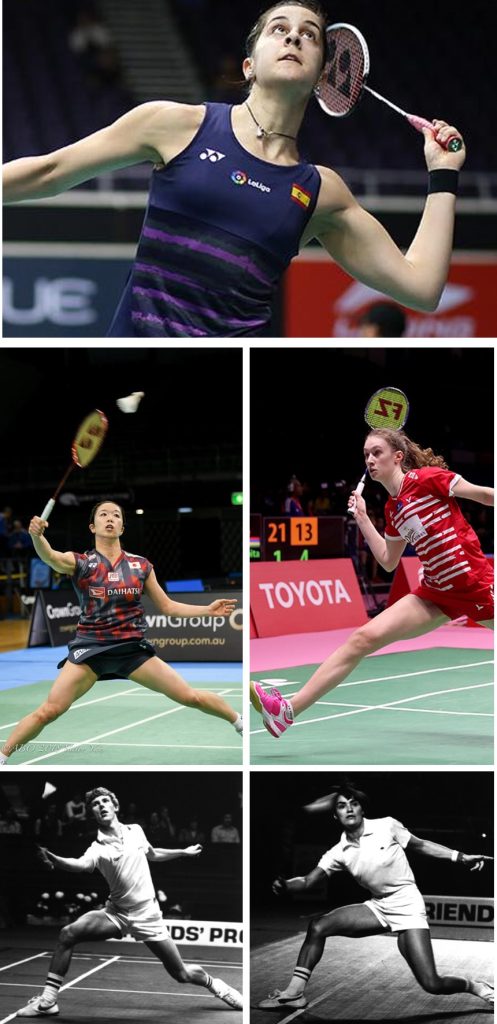
In the early years, players can
- easily hit hard fast clears down the side of the opponent into their deep backhand
- easily hit down into the opponents backhand wide block zone
- easily frustrate the opponent when they are looking to an easy net/net kill and the stroke is played flat to land just behind their service line
In the later years, players can
- be confident that everything is ‘returnable’ from this part of the court behind them
- be confident that they can surprise/outwit the opponent with a variety of slices and speeds
- be confident that leaving this corner ‘open’ may encourage the opponent to play into a tactical trap
Almost every stage of development provides new motivations
When I’m working with a player in this part of the court the most surprising thing was how motivational all the various progressions could be. Motivations for them and for importantly for me 🙂
- Motivation born from success (obviously)
- Motivation resulting from facing each new challenge and the resulting rollercoaster (up/down/up) of success
- Motivation that then transferred from practice in games into the competition as the new found skill delivered all that it promised
- Motivation when the player realises that once a few core techniques are in place they can start to develop on their own. Oh, and then my job is so much easier as I say less and they learn so much more
-
During the development of the deep forehand, create these ...
- Plenty of opportunities to transfer from recently learnt previous skills or concepts or critical technical aspects. Scaffold the practices and learning
- Challenges or ‘desirable difficulties’ are essential. Endeavour to split them into smaller, tough yet achievable tasks
- Lots of varied tasks/challenges. Using these can create faster development that that achiveed through massed blocks of repetitive practice.
- Opportunities for players to contribute more and more in terms of what challenges they like: “I’ll try this next ..”, “feed me so it’s super tough”
- Progressive practices once skills (technical, motivational) are partly established. There is no requirement or 'perfect' practice before increasing the challenge level.
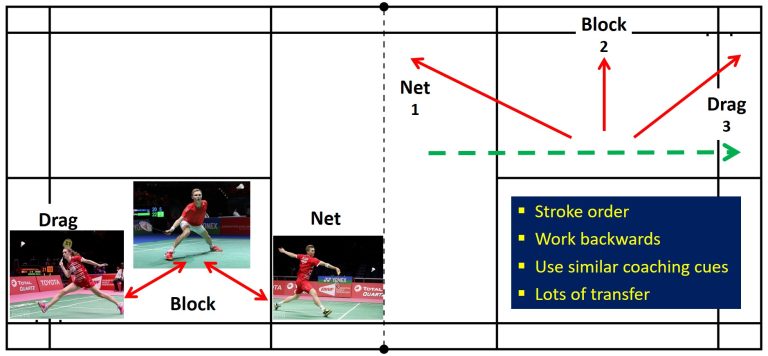
More reading
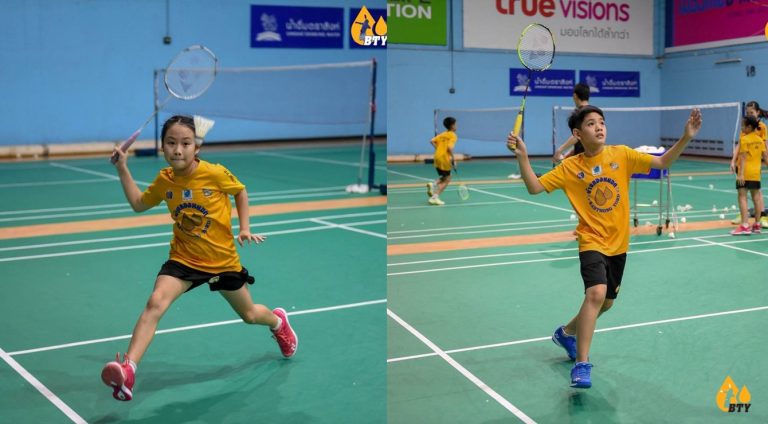
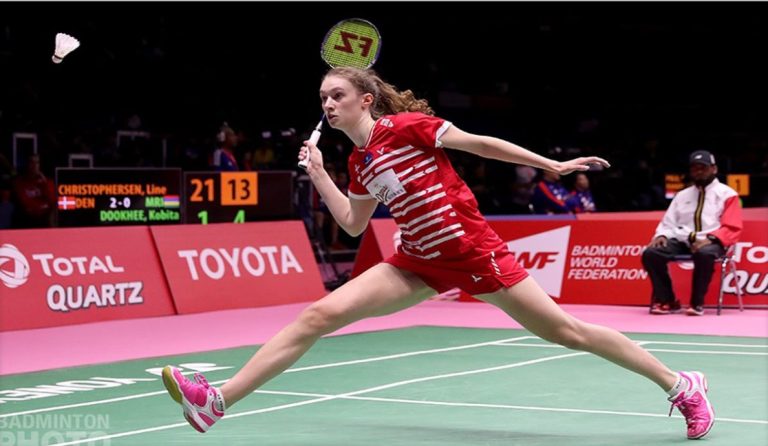
Coaches
I hope that you are interested not only the key technical aspects but when and to introduce each one.
I think it’s vital that you consider the importance of how to place these technical aspects within a tactical context. Almost deliberately working to ensure that the players ‘forget’ that they ever heard them.
The development of this stroke certainly isn’t just talking about the technical elements, the practices you use should be aimed at developing learning that will help in a game, to beat or restrict opponents.
Therefore, be aware of what seems perfect practice and aiming to land lots of shuttles on a target or playing the stroke without it ever being returned.
Send me a question
I’m always grateful if you have read this far.
If there is anything that you have read that has helped or that you disagree with, then please send me an email.
I promise to read all your comments
It would be great to hear from you contact@badmintonandy.com