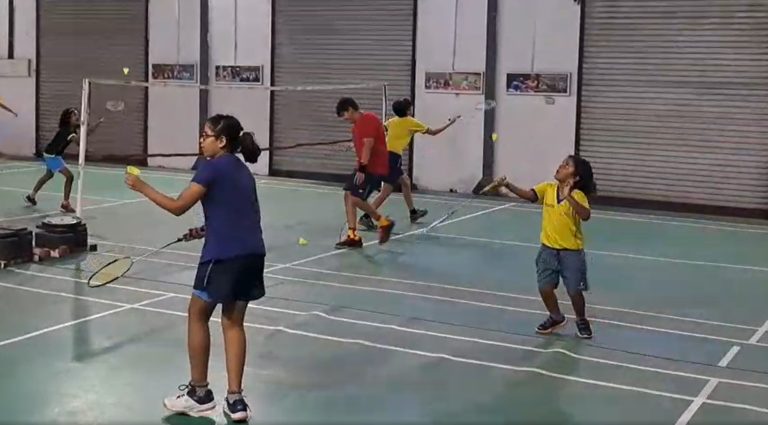
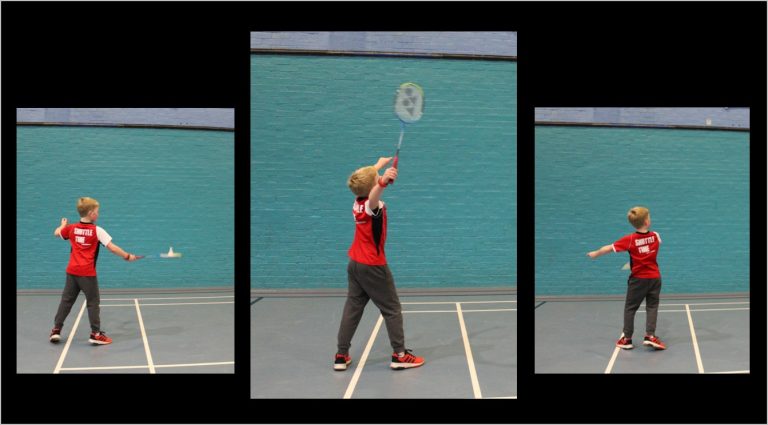
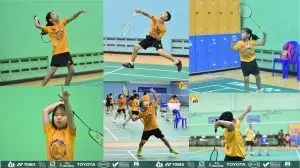
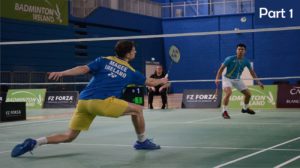
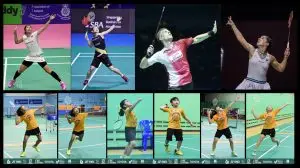
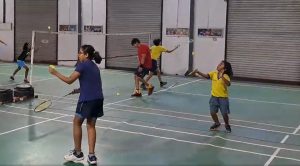
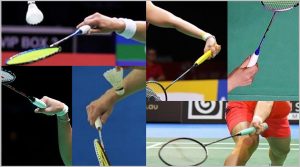
Bouncing shuttles give young beginners early success, enjoyment and progressive challenges while quietly building foundational technical and psychological skills.
Coaches learn to design simple, engaging tasks that promote confidence, interaction and future skill development.
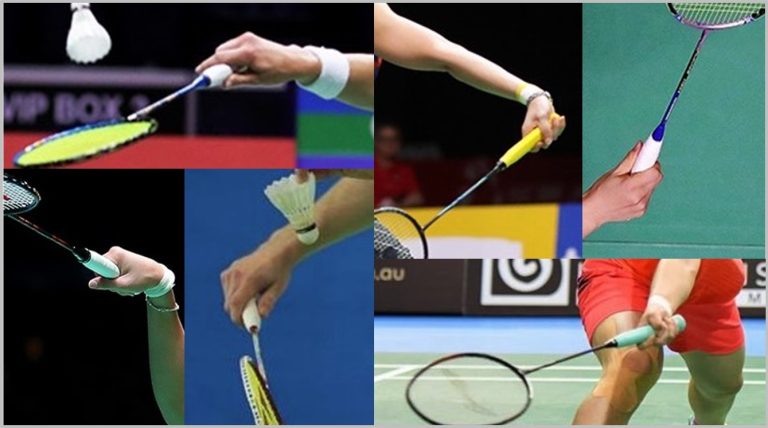
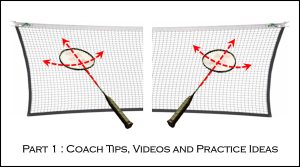
Beginner grips start with a plan and tasks : wallwork to build adaptable, effective holds, confidence and to prevent pan‑handle or floppy backhands.
Its reccomended to start with below‑shoulder strokes to offer safe, transferable skills, creating early success, confidence and strong technical foundations.
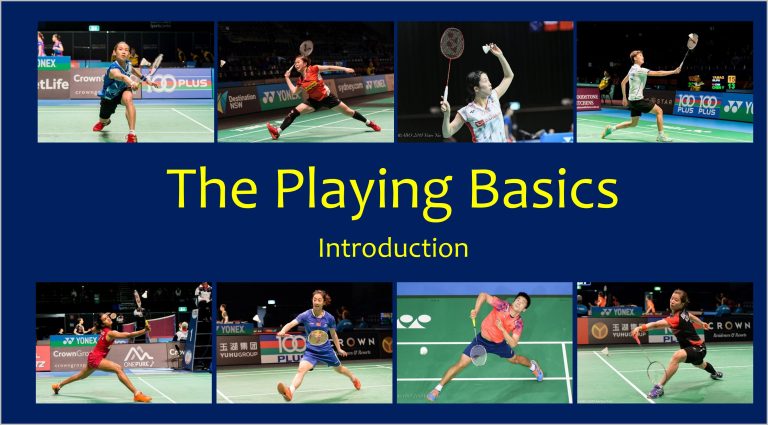
The series examines a proposed set of ‘Playing Basics’ that will benefit beginner players: movements, grips, early rally skills and much more.
The information emphasises fun, confidence, progressive tasks, helping players build strong foundations, effective habits and transferable skills that aid the learning of complex strokes.
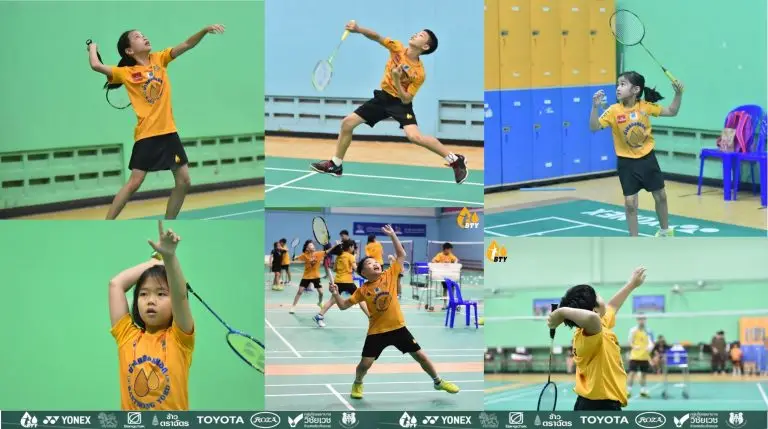
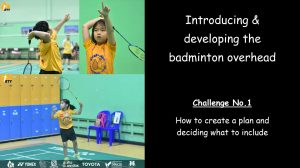
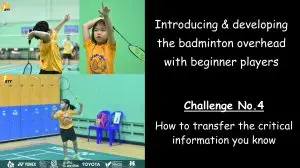
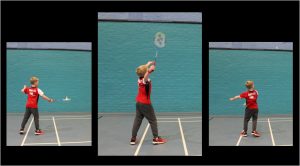
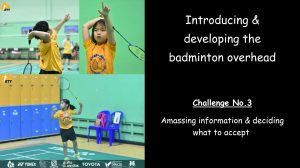
Advice for beginner overhead development using flexible, player‑centred steps. It stresses trust, early must‑have techniques, throwing and getting off the ground, and building prior experiences.
Coaches are encouraged to select tasks intentionally to create confident, efficient future overhead hitters.
The post argues there’s no single “first stroke.” Coaches should prioritise simple, below‑shoulder hitting, rally interaction, adaptable grips and confidence‑building tasks.
Early experiences shape future learning, so choose strokes that create success, curiosity and strong foundational habits.
Consider that at U12 players don’t need to distinguish between long smashes and clears.
Instead, coaches should prioritise simple, consistent overhead hitting, confidence, movement and fun.
Early success and adaptable habits matter far more than technical stroke categorisation.
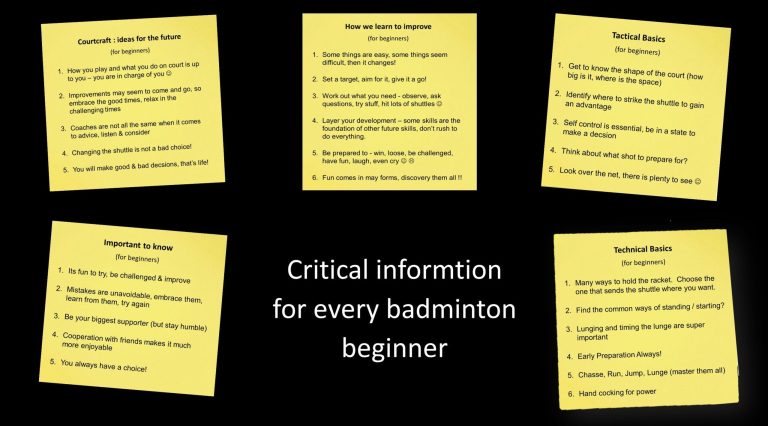
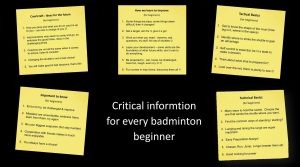
5 specific topics are considered: Tech, Tac, Coutcraft, Learning ideas and the important aspects when coaching beginners.
Emphasising simple movement, adaptable grips, below‑shoulder hitting and early preparation. Prioritising fun, confidence, and transferable habits, building strong foundations all before introducing complex techniques.

The post explains why deep forehands are essential for all players, especially beginners.
How and why they build movement, confidence and tactical awareness, encourage early preparation, and create strong foundations for future overheads. Training this area develops efficient habits, better court coverage and long‑term skill progression.
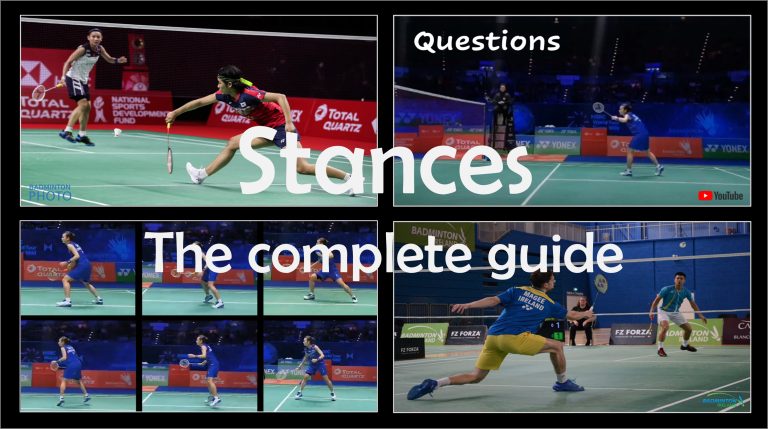
The post explains how stances create readiness and movement efficiency. It highlights three core positions, showing how each supports different situations.
Coaches should teach adaptable, comfortable stances that help players preapre, improving overall court performance and decision‑making.