Tactics

Badminton Tactics

Check out all the posts so far, they are ranked by popularity

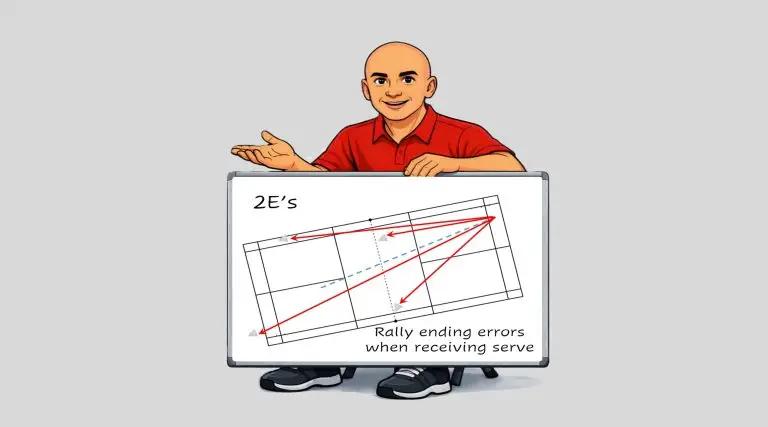
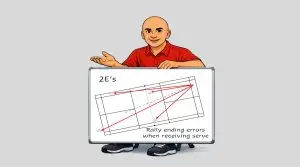
Badminton return of serve errors - what to do?

Returning serve with intent

Explore why badminton players make errors when returning serve — poor readiness and unclear intentions.

It details common mistakes and offers practical, easy‑to‑apply fixes to improve timing, positioning, and decision‑making. 

A clear, coach‑friendly guide that transforms frustrating return errors into learning opportunities, helping players feel composed and in control from the very first shot.

Badminton practice advice

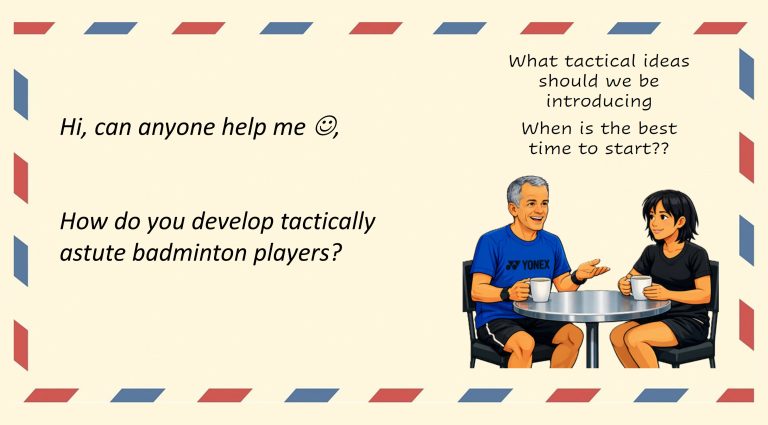
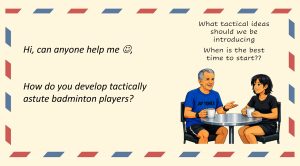
Developing Tactics

Consider how to develop tactically astute badminton players by expanding the idea of “tactical thinking” beyond rallies.

 It explains the five moments when tactical thoughts occur, when to introduce them, and how to coach them through choices, questions, conditioned games, rally‑break strategies, and beginner‑friendly concepts like A‑B‑C 

A clear guide on how to teach tactics, not just talk about them. Learn practical ways to help players think, notice, adapt, and make smarter decisions.

the challenge of developing badminton tactics not techniques

Tactical challenge

This post explains why creating badminton tactical practices is difficult — players often don’t notice key moments, misunderstand intentions, or default to technique‑only thinking.

Read how coaches can design smarter sessions by shaping intentions and using game‑based constraints that reveal tactical behaviours naturally.

It moves beyond “hit‑here drills” and instead builds practices that genuinely develop tactical awareness, decision‑making, and intelligent choices.

Expert Badminton Advice

Expert advice

Explore what expert players and coaches do and think when trailing 16–18 in a tight third game.

It highlights common emotional reactions, suggests simple tactical focuses, and explains how to stay calm, choose clear intentions, and create pressure without panicking. It encourages players to think, not rush.

Practical, realistic guidance for handling one of badminton’s most stressful scorelines.

multi shuttle

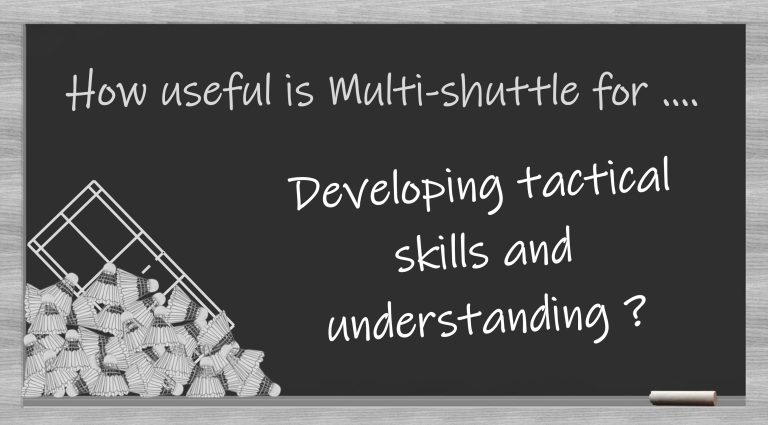
Can multi develop tactics

Do you believe that multi‑shuttle feeding can support tactical development when used with purpose?

You will need to decide for yourself.

Consider both positive and negative arguments when considering if tactics are best taught via the use of multi-shuttle type practices and feeding.

Can this practice type teach players how to read situations, make decisions, and build real match intelligence instead of just hitting lots of shuttles?

badminton conditioned games

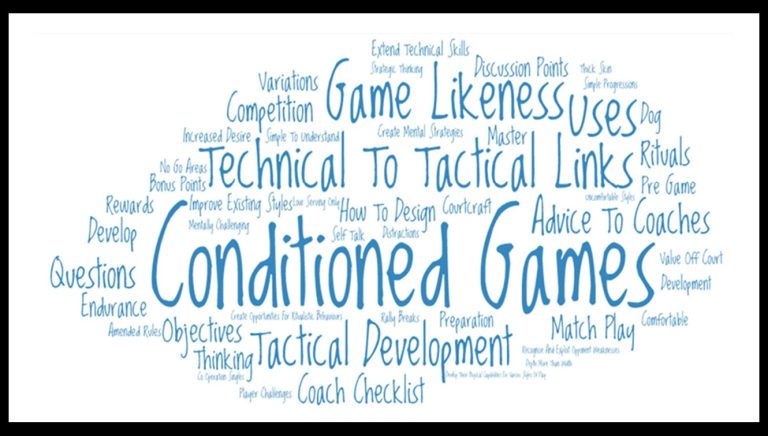
Conditioned Games

This post explains why designing badminton tactical practices is difficult and how coaches can make use of conditioned games as a link between technical isolated practice and match play.

It highlights common challenges and offers practical ways to create game‑like practices that build awareness, choices, and real tactical understanding.

It helps coaches move beyond simple drills and instead design practices that develop intelligent, adaptable players who can make better decisions in real matches.

Badminton net

"Look over the net"

Every shot you play affects your opponent — their balance, options, emotions, confidence, and tactical choices.

The post encourages players to think beyond technique and consider the impact they create: pressure, disruption, uncertainty, or opportunity. 

It encourages players and coaches to see rallies from the opponent’s perspective, unlocking smarter tactical decisions and more purposeful shot choices. 

tgfu for badminton

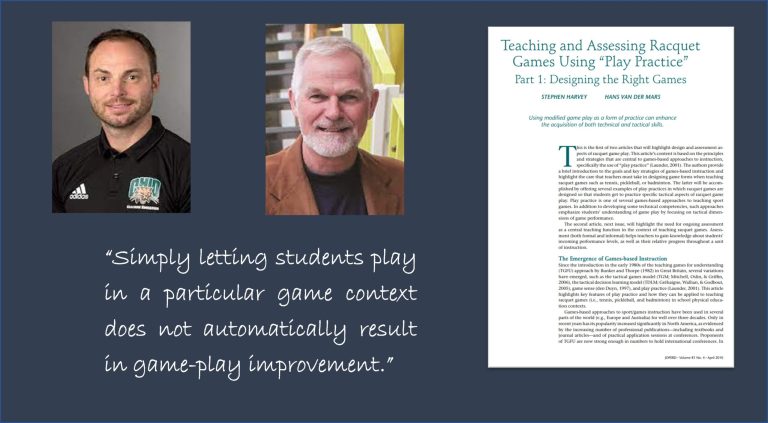
Use play to develop tactics

Read how play (free, curious, game‑like exploration) helps players develop real tactical understanding.

How playful environments encourage noticing, decision‑making, creativity, and adaptability far better than rigid drills.

Why “serious drills” often fail to build tactical intelligence and how playful, engaging practice can produce smarter, more aware, more adaptable players. It’s a mindset shift for any coach who wants tactics to emerge naturally rather than be forced.

do experts keep a record of opponents

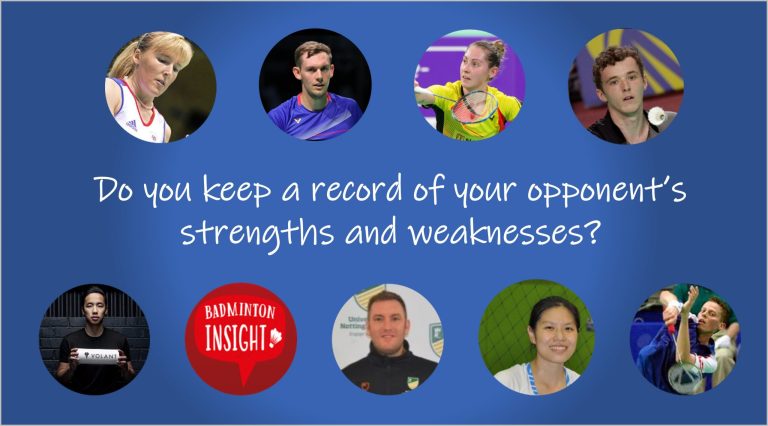
Experts keep records

Read why these experts all keep records of opponents’ strengths and weaknesses to help them make smarter tactical choices.

It explains what to track, how to organise notes, and how to use them before and during matches.

It shows players and coaches how a small, consistent information‑gathering routine can create huge tactical advantages — turning guesswork into informed, confident match plans.