Design sparring sessions that actually develop players, not just fills time.
The post breaks down purpose, structure, intensity and player roles so sessions become targeted and meaningful.
If you want smarter, more effective sparring that accelerates learning, this article gives clear principles you can use immediately.
This post challenges common assumptions about multi‑shuttle.
It explains when it genuinely helps, when it misleads players, and why coaches think that it transfers into match play.
Coaches and players must be clear about the purpose and outcomes of using multi-shuttle practice. Otherwise, players are just chasing shuttles
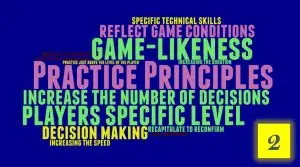
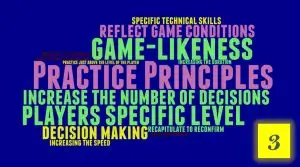
This series looks at the fundamentals of practice. What are the factors that make a great practice.
It reveals key principles behind effective training, challenges common coaching habits and offers clear, practical ideas to create sessions that genuinely build smarter, more adaptable players.
Check if your practice follows these principles.
This three‑post series digs into how players actually make decisions and how coaches can shape practices to improve them.
It highlights common traps, smarter training ideas and the mindset shifts needed for better choices under pressure.
If you want quick thinking and more adaptable players, the posts are packed with practical insight.
This post explains why “harder” doesn’t just mean faster, longer or more exhausting.
Consider how to increase challenge through smarter constraints, tougher decisions and meaningful pressure.
This article gives clear, practical ways to raise the difficulty effectively that genuinely stretch players and accelerate learning,
Coaches are challenged to examine what they truly notice during training and matches.
It highlights blind spots, competing priorities and the danger of focusing on the wrong things.
If you want sharper awareness, better decisions and more impactful coaching, this article offers a thought‑provoking reset.
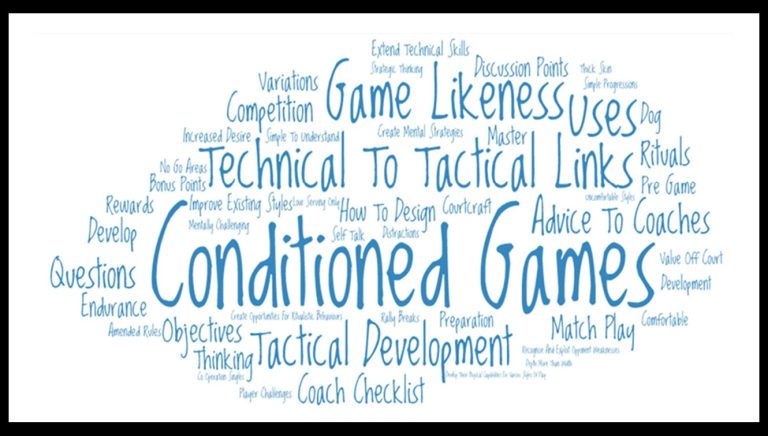
Information about how conditioned games create smarter, more adaptable players.
It shows when to use them, how to shape constraints and why they often outperform traditional drills.
If you want practices that feel realistic, engaging and decision‑rich, this article gives clear guidance to elevate your training design.
This post tackles the myth of “perfect badminton” and explains why errors are unavoidable — and essential for learning.
It shows how to rethink mistakes, manage expectations and focus on smarter decision‑making.
If you want a healthier, more effective mindset on court, this article offers a refreshing perspective.
If you want better adaptation and faster improvement, this post offers a fresh, thought‑provoking perspective on coaching.
It explains how coaches should not remind players of technical aspects once established.
Playing skills require perception and observation of what is happening ‘over the net’, not the internal techniques they may have been taught.