Are you trying to avoid being injured?
Advice for injury avoidance to help you stay on court longer
6 tips and a video at the end
Be careful of doing too much training
The amount of training you do is often a key role in determining your real injury risk
The more you train and play, the more you could be at risk, especially if you regularly stress yourself and try to work to your limits or past them.
Fatigued muscles do a poor job of protecting their associated connective tissues, increasing the risk of damage to cartilage, tendons and ligaments.
Watch out for those 2 hr sessions or 10 x 15 x 20 multi shuttle sessions!
If you suddenly increase the amount of training you are likely to suffer, not immediately but over a longer period of time. This can occur when you join a new group or decide to play for 2 or even 3 clubs at the same time!
All training increases must be progressive with periods of rest and less intensive session included.
Have an open mind, but also have a critical mind.
Being open-minded means that you must not just hear, but listen, then consider, and finally test.
Yes, do less intensive sessions,
you cannot work to your maximum all the time
Previous injuries and training to the max
If you have been injured before then you are much more likely to get hurt again
Players who have been injured in the ankle often seem to feel other pains in their knee or hip area.
When you subject your body to regular exercises you’ll find that it has a way of uncovering the weak areas of your body. If you have had knee, back or shoulder injuries and either not fully recovered fully or completed a full rehabilitation then you may be susceptible to becoming injured again.
To prevent a reoccurrence of an injury ensure that you carry out a full rehab program that includes stressing your body to the same amount as your play.
Too often people complete their rehab and then go straight into matches to …… guess what can happen?
If you are motivated and train every day then be aware! Training the same way every day (hitting shittles on court) will increase your risk of injury. Reducing the number of consecutive days of on court training can lower the risk of injury.
Training every day will reduce your recovery time increasing injury rates by giving muscles and connective tissues an opportunity to restore and repair themselves between work-outs. Include rest days, and days where the intensity is less.
Your rest days are as important as your tough days
Psychological factors
Some studies have shown that athletes who are aggressive, tense, and compulsive have a higher risk of injury.
Tension may make muscles and tendons tighter, increasing the risk that they will be harmed during workouts.
It’s not always about giving 100% effort, either physically or physiologically
I’m sure that if you always try to give your maximum then you will become injured.
Having a positive attitude is important and of course, it’s important to aim high with your expectations.
However, you may find that you perform at your best when you take a different mindset than 100% effort.
Weak muscles
You need to be strong and stay strong ….. it’s a requirement for life, not just badminton
Many injuries are caused by weak muscles which simply are not ready to handle the specific demands of our sport.
I hope that you agree that badminton is certainly more physical than the non playing person thinks.
Whatever your age or playing standard, you try to incorporate different elements of strength(endurance) and flexibility (dynamic) training. Combine this with positive body maintenance regime.
This applies especially to your feet, ankles, knees, plus your shoulder and hitting arm.
I hope to write a future post on this aspect of body maintenance. If you are a badminton enthusiast and have a background in the PT, S&C, massage, physiotherapy, I’d be very grateful for ideas and contributions.
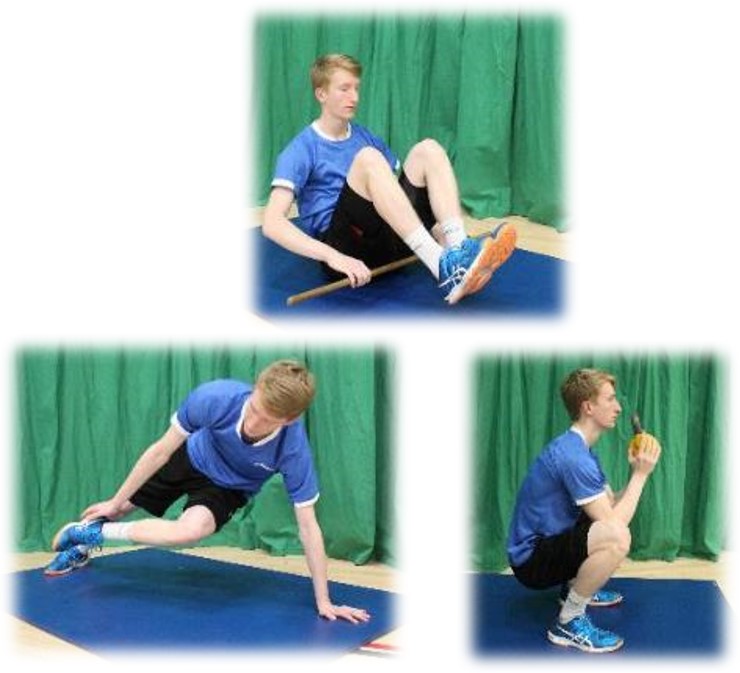
I recommend that you are always working on either getting stronger or staying strong
Coaches, be aware of hidden overuse injuries
It’s very easy to fatigue players without realising it
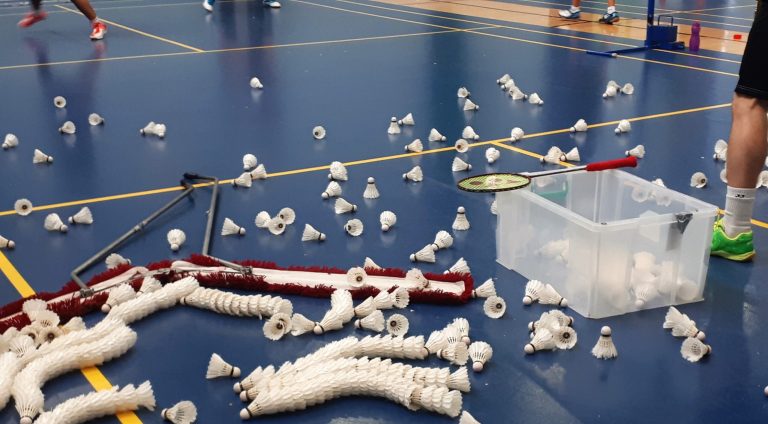
Nowadays every coach seems to carry a larger and larger multi shuttle box. How many shuttles do you have in your 100, 200, 500..?
Are you standing still and feeding whilst players chase shuttles. You may not be sweating or fatigued but they could be. Plus they may be doing repetitious movements far in excess of any gym session you set them.
Coaches, be careful of your arm and shoulder if you are one of those coaches who can deliver over 100 shuttles with perfect rapid feeding.
Questions
How often would you set practice sessions that require players to practice net shots by hitting 10 x 10 shuttles?
Do you consider how many lunges that is? Also, what is the impact on the shoulders and the upper arm?
If you expect players to be fatigued at the end of every session and crawl out of the hall, is that the best way to give value for the money they pay you?
Ensure that your players don’t start using injuries as a ‘badge of honour’
Injury prevention tips
- Avoid training when you are extremely tired or ill
- Increase in training should be done in a gradual way
- Any increase in training load should be preceded by an increase in strength training
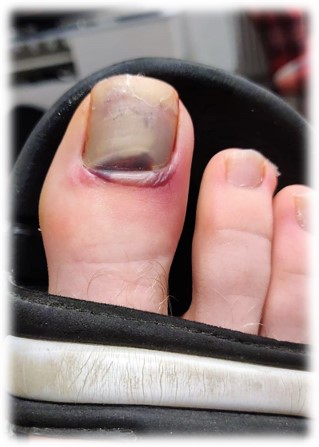
- Treat even seemingly minor injuries very carefully to prevent them from becoming a big problem
- If you experience pain when training STOP, then make an assessment
- Don’t start training hard if after your warm-up you are still stiff from the previous days
- Pay attention to hydration
- Break-in new court shoes before hard training, wear them around the house for a week
- Learn to enjoy your warm-ups 🙂 Even try a 30 min warm up
- Shower and change immediately after the cooldown
- Have regular massages
Send me a question
I’m always grateful if you have read this far.
If there is anything that you have read that has helped or that you disagree with, then please send me an email.
I promise to read all your comments
It would be great to hear from you contact@badmintonandy.com