Are you working on improving your decision-making
Incorporate decision making practices into all your sessions
Competition is full of decisions, so what not practice!
Once a player reaches some technical competency in that specific technical skill,
it’s vital to include some decision-making practices
I believe that you should include decision-making elements
much earlier than most coach education courses recommend
The problems we all face
- Where will you get training and education on how to incorporate decision-making opportunities into your practices?
- What are the critical elements to include in your sessions?
- There were the problems I faced and yes I was confused, you may be to
- In the beginning, I was completely unaware that it would help my players if I included decisions into the practices.
- I had no idea that this was even a skill that could be practised and targeted
- I thought that just mastering strokes would be enough
- I assumed that a technically perfect player would become a winning player
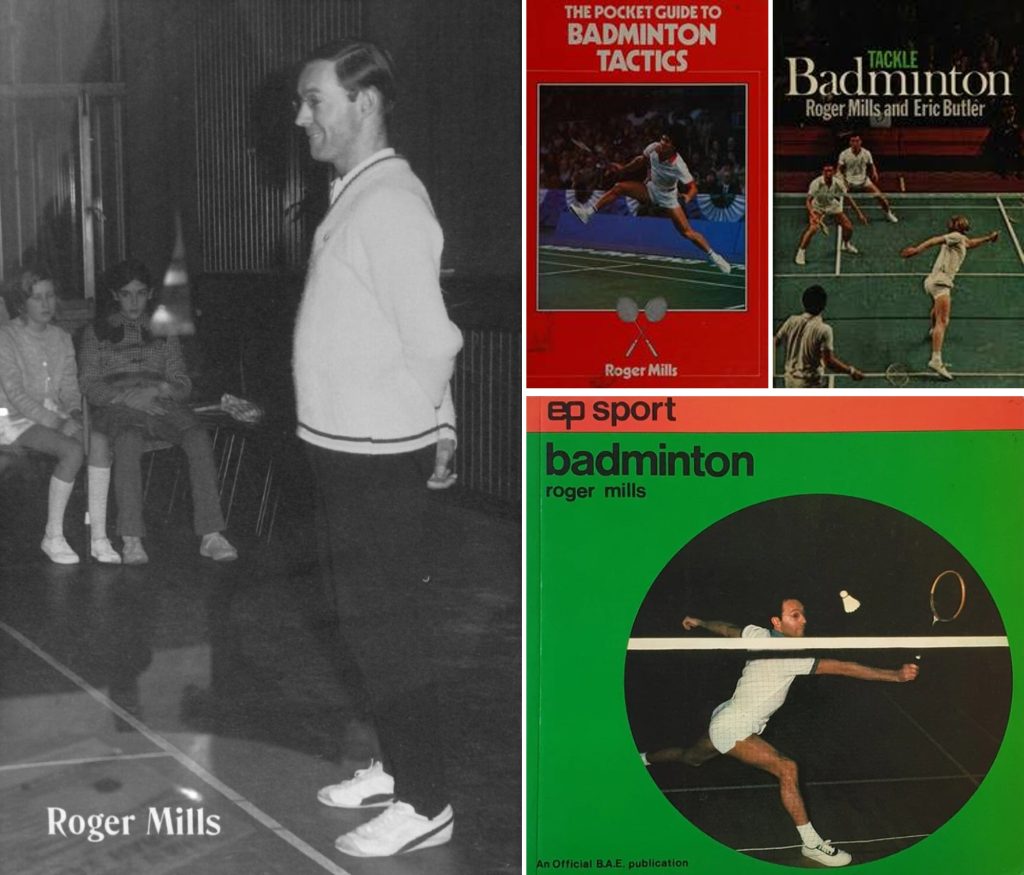
It was not until I met Roger Mills (my mentor) that I became aware of the importance of allowing for and deliberately including real game-like aspects into almost all practices.
He recommended that this should start to happen as soon as some part skill had been established.
I found out that this meant working with novice players very early in their development than I had ever expected.
I know now to include game-like decision-making from the very first lesson if I see an opportunity.
I realised that there were many opportunities
when anticipation and influencing skills could be developed
What is Decision Making
Ita not just deciding where to hit the shuttle
Its a blend of perception, anticipation, and past experience to outsmart opponents and execute game plans successfully.
We must create lots of opportunities that encourage players to see and anticipate, be able to intentionally influence the rallies within a practice, and then make informed choices
Elements that Players need to become great at
- Being able to ‘see’ / ‘feel’ what your opponent is about to do before they strike the shuttle
- Understanding what could happen before they play a stroke: anticipating how it will affect their opponent
- Being confident in their ability to intentionally affect the opponent: restricting their choices, almost knowing their likely replies, forcing the opponents to react when they don’t want to.
- Accepting that sometimes they will feel uncomfortable and may not make the right decision
- Accepting and loving the fact that they can intentionally influence practice rallies, even technical practices
- Understanding that Decision Making/ Anticipating and Influencing skills can be improved
Decision-making skills are subtle skills
Include them in almost all your practices
We need to develop those “in rally” skills and help players experience that feeling of “knowing” and anticipating what is about to happen.
I recommend that you allow for and include elements of player decision-making in almost all practices. This aim does not have to be the main theme, just implicit in almost all you do.

- Play MATCHES …. lots of matches. The variability and intention found in competition is key.
- Ensure that you focus on anticipation and try to influence the rallies within a practice
- Always try to work out how to either win the rally or stopping your oppoenent from taking advantage
- Try to reduce the amount ‘knowns’ in any practice. Smash kill x 15 will not improve your anticipation. Static feeding may even harm/limit your skills
Design game related practices
The following advice is for your consideration
- Have an element of real gamelike uncertainty or unpredictability (when some establishment of skill has been achieved and is desirable in that practice)
- Require decision making by one of both players within the practice (real game like decisions)
- Allow players to believe that this situation really exists in a game. Check it actually does AND is relevant to their level of play or just above
- Encourage players to anticipate (guess) outcomes
- Try NOT to dictate a regimented outcome: ie all blocks will land before the service line. Allow for tactical choice by the player: ie good tight blocks will draw opponents in but also allow opponents to play net spins, therefore long blocks negate net spins… Choices!
- Have both players hitting and moving, learning. Maybe one more than the other. It’s not essential to have a static feeder for all practices. Try using 1 shuttle 🙂
- Look for practices that ensure opponents move only when they anticipate
- Allow/encourage winners to be played, this is vital
- Encourage players to make it difficult for the feeder, ask them to do this intentionally
Send me a question
I’m always grateful if you have read this far.
If there is anything that you have read that has helped or that you disagree with, then please send me an email.
I promise to read all your comments
It would be great to hear from you contact@badmintonandy.com