Are you trying to avoid being injured?
Here are some general rules for injury avoidance that should help you stay on court longer.
I hope that if you follow some or all of these tips you won’t have to experience being injured or having to rest and miss out on playing. I wish someone had told me this 30 years ago.
If you want some quick tips jump straight to no. 6
or click on the video at the end of this post
Contents
- 1. Do not overdo it
- 2. Previous injuries and training to the max
- 3. Psychological factors
- 4. Weak muscles
- 5. Coaches be aware!
- 6. Injury prevention tips
1) Do not overdo it
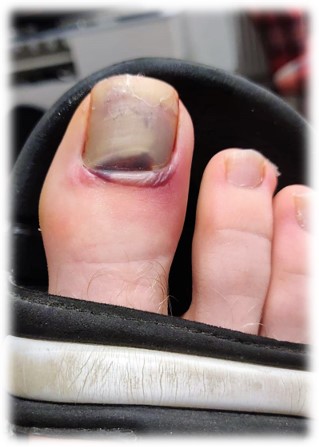
The amount of training you do often plays a key role in determining your injury risk.
The more you train and play, the more you may be at risk — especially if you regularly push yourself to (or beyond) your limits.
Fatigued muscles do a poor job of protecting connective tissues, increasing the risk of damage to cartilage, tendons, and ligaments.
Watch out for those 2-hour sessions or 10 × 15 × 20 multi-shuttle sessions!
Sudden increases in training volume often cause problems over time — especially when joining a new group or playing for multiple clubs.
All training increases should be progressive and include rest or lower-intensity sessions.
You cannot train at maximum intensity all the time.
2) Previous injuries and training to the max
If you’ve been injured before, you are far more likely to be injured again — often in the same area, but sometimes elsewhere.
For example, ankle injuries often lead to knee or hip problems.
If previous injuries weren’t fully rehabilitated, regular training will often expose those weak points again.
To prevent re-injury, rehab must prepare you for the actual demands of match play. Too many players finish rehab and jump straight back into competition.
If you train every day, be aware. Repeating the same on-court workload daily increases injury risk. Reducing consecutive on-court days and varying intensity helps recovery.
Rest days allow muscles and connective tissues to repair — without them, injury rates increase.
Your rest days are as important as your hard days.

Listen to Jenny & Greg
3) Psychological factors
Studies show that aggressive, tense, or compulsive athletes may have a higher risk of injury.
Tension increases muscle stiffness, making injury more likely during training.
It’s not always about giving 100% — physically or psychologically.
Constantly trying to give maximum effort often leads to injury.
A positive mindset matters, but peak performance doesn’t always come from 100% effort.
4) Weak muscles
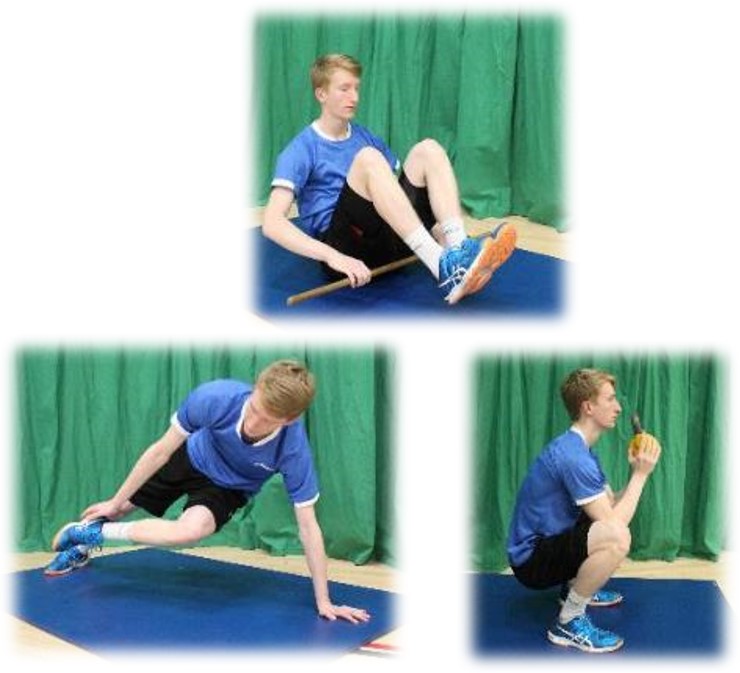
Strength is essential — not just for badminton, but for life.
Many injuries occur because muscles aren’t prepared for the demands of the sport.
Badminton is far more physical than non-players often realise.
At any age or level, include strength (endurance) and dynamic flexibility training, alongside good body maintenance.
This is especially important for your
feet,
ankles, knees, shoulders, and hitting arm.
I plan to write more on this — and welcome input from PTs, S&C coaches, massage therapists, and physiotherapists.
Always work on getting stronger — or staying strong.
5) Coaches: be aware of hidden overuse injuries
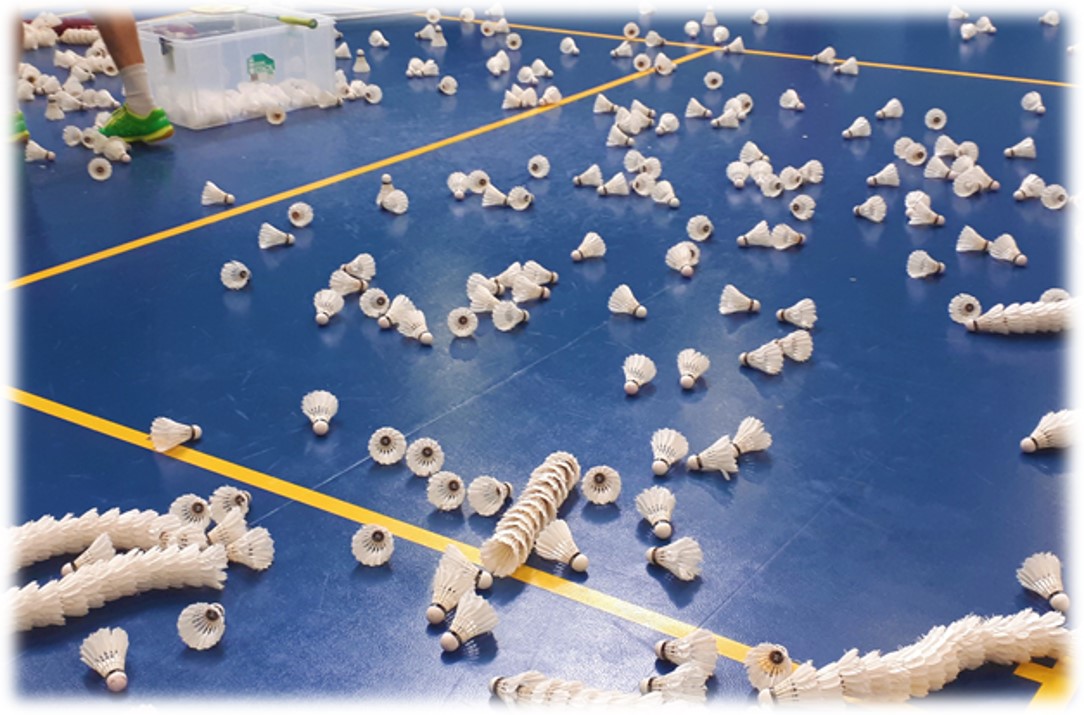
It’s easy to fatigue players without realising it.
Large multi-shuttle sessions can hide huge workloads — especially when coaches stand still while players repeat explosive movements.
Repeated lunges, overhead shots, and high volumes can exceed gym workloads.
Questions for coaches
How often do you run 10 × 10 net shot drills? Have you considered the number of lunges and shoulder repetitions involved?
If players are expected to crawl out of the hall every session, is that truly good value for them?
Don’t let injuries become a badge of honour.
6) Injury prevention tips
These ideas should help you stay injury-free and get the most from your training.
- Avoid training when tired or ill
- Match training increases with increased rest
- Increase strength before increasing load
- Treat minor injuries seriously
- Stop if pain appears and assess
- Don’t train hard if still stiff after warm-up
- Monitor hydration (yes — check urine colour)
- Break in new shoes before hard sessions
- Learn to enjoy long warm-ups
- Shower and change immediately after cooldown
- Maximise comfort when travelling
- Have regular massages

Click to see what Jenny and Greg have to say
Thanks for reading this far 🙂
I hope you found the suggestions useful. I’d love to hear your thoughts — feel free to email me at
contact@badmintonandy.com